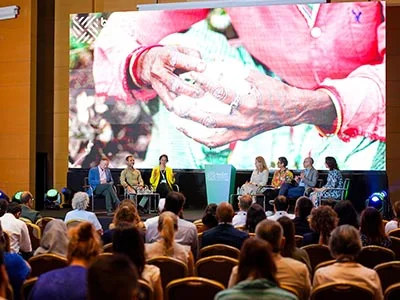
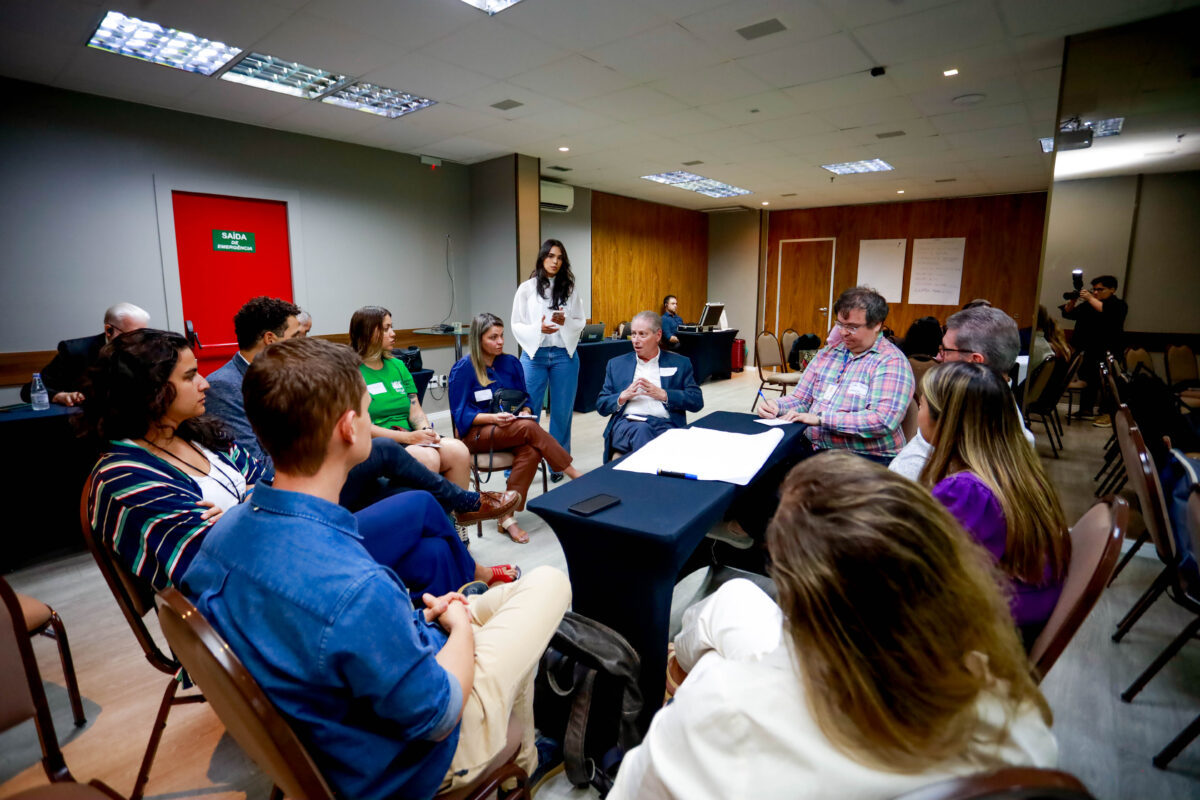
In its inaugural meeting, the Multistakeholder Dialogue brought together different sectors to share experiences and challenges to improve sustainability in cotton production.
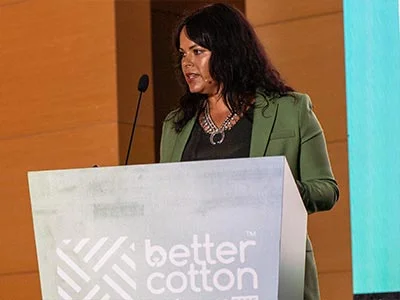
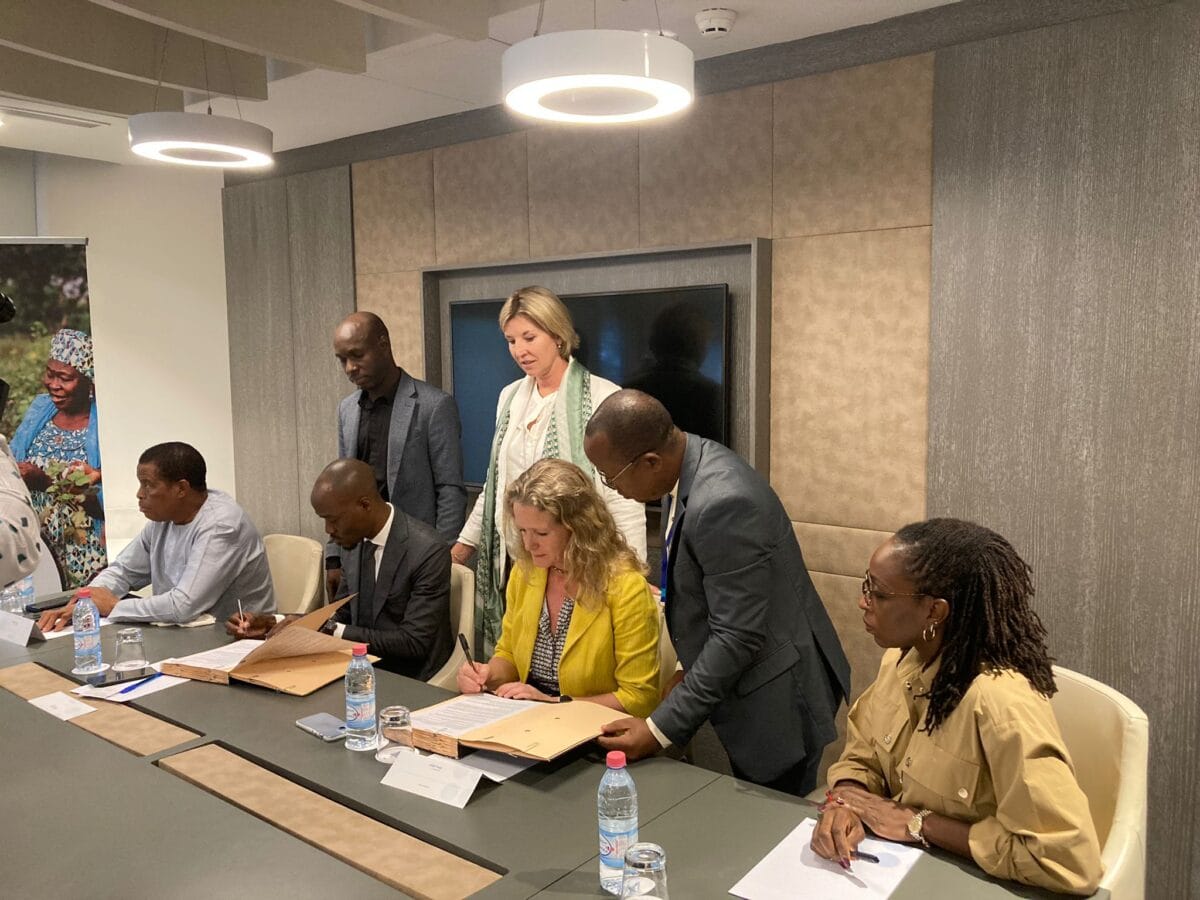
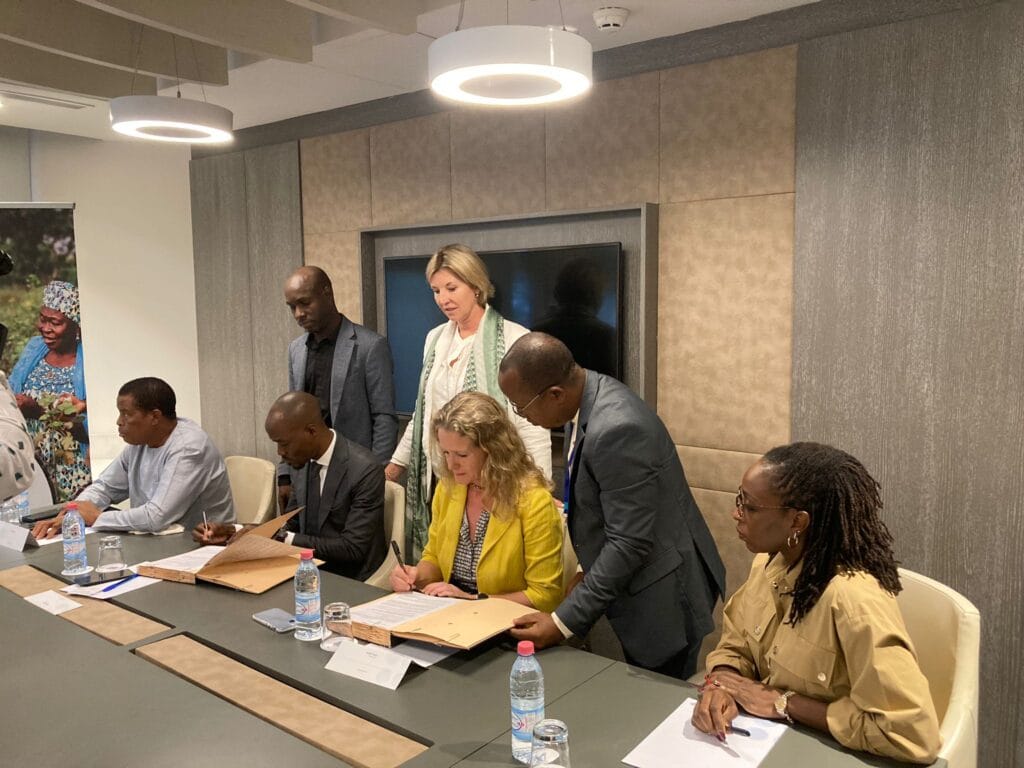
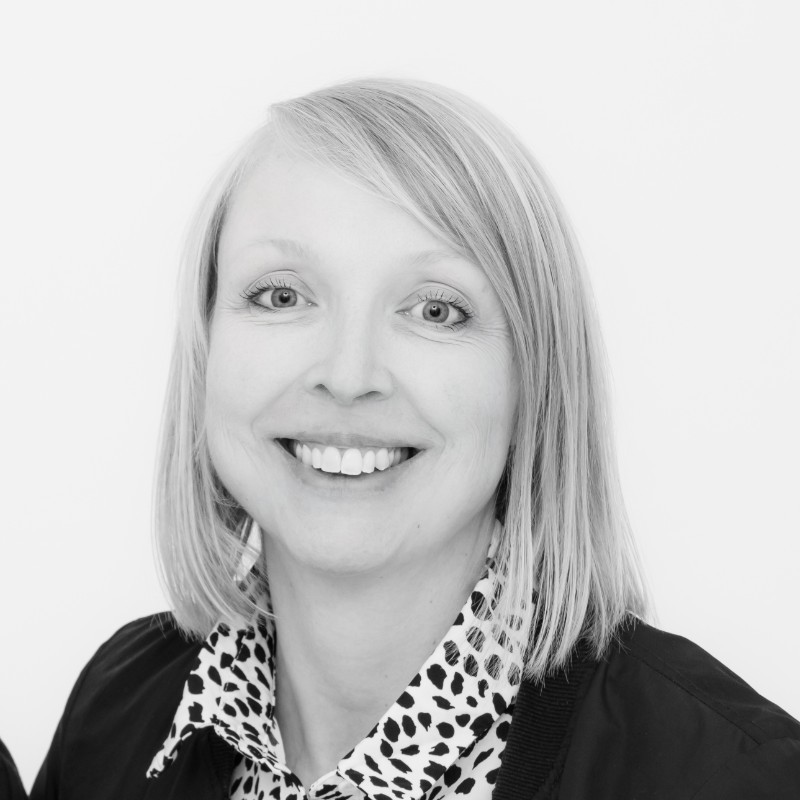
Photo Credit: Better Cotton. Better Cotton COO, Lena Staafgard, sat alongside Maurel Adonon, representing the Permanent Secretary of the AIC, Luc Abadassi.
Better Cotton has launched a new programme in Benin to support the production of more sustainable cotton in West Africa.
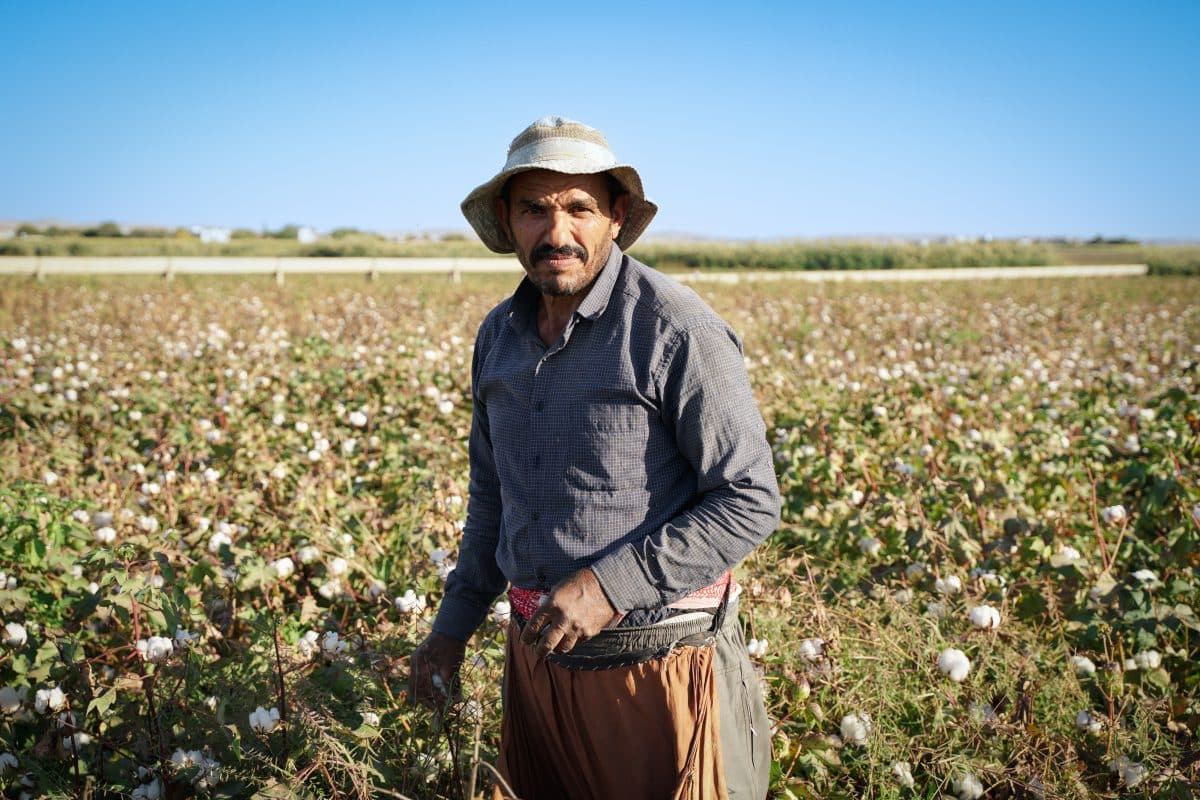
The programme will aim to engage more than 200,000 smallholder cotton farmers in order to embed sustainable farming practices, improve livelihoods and help them adapt to the effects of climate change.
As Better Cotton’s presence across Africa continues to grow, so too does the movement towards more sustainable cotton production. There is incredible appetite for change on the continent and we’ll work with partners new and old to leverage that.
Lena Staafgard, Chief Operating Officer at Better Cotton
The Interprofessional Cotton Association of Benin (AIC) will serve as a Strategic Partner for the Better Cotton Programme. The AIC manages both farming and cotton ginning bodies and more broadly facilitates relations with the sector’s stakeholders across Benin.
As Strategic Partner, the AIC will lead the establishment and implementation of an impactful Better Cotton Programme and help drive engagement with the country’s farming communities and other stakeholders.
The start of a Better Cotton Programme in Benin is a matter of national initiative supported by the entire cotton sector and managed by the Interprofessional Cotton Association. The implementation of this programme will help our valiant producers strengthen their resilience by introducing more sustainable production practices.
Eustache Kotingan, President at the AIC
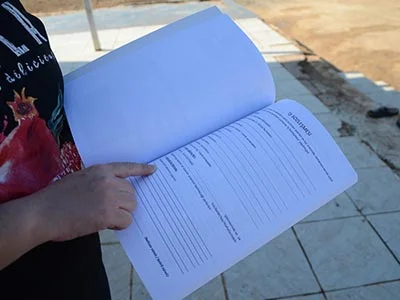
The agreement was formalised at a multistakeholder meeting in Cotonou, Benin, on 8 October where both organisations met to discuss the opportunities and challenges in cotton farming and agriculture more broadly.
Benin is Africa’s second largest cotton producing country after Mali. In the 2022/23 season, it produced more than 580,000 metric tonnes (MT) of cotton, according to government figures.
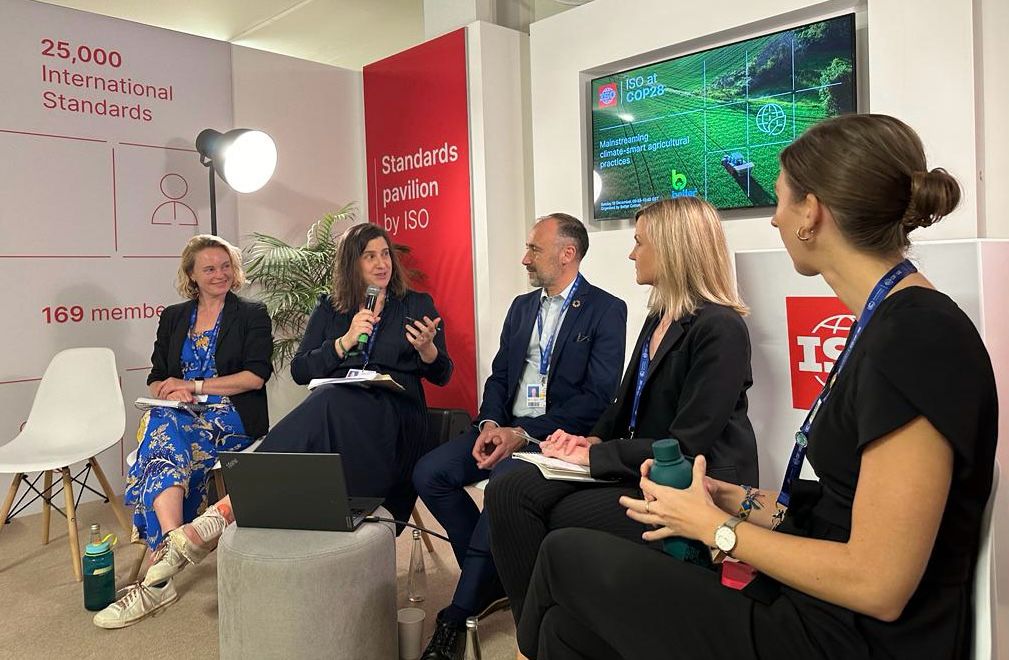
Better Cotton’s Public Affairs Manager, Lisa Ventura speaking at an ISO event at COP 28. Photo Credit: Lisa Ventura.
In late November, ahead of her trip to Dubai to represent Better Cotton at the 28th session of the UN Climate Change Conference of Parties (COP28), we spoke to Public Affairs Manager Lisa Ventura about our plans and objectives at the climate conference.
Now that COP28 has drawn to a close, we caught up again with Lisa to hear about her experience at the conference, the progress made, and her key takeaways.
What are your reflections on COP28?
Lisa Ventura
For the first time, agriculture was a major focus at this year’s summit, with a full thematic day on 10 December. Given the contribution of agriculture to global emissions, this was a big step forward to finding solutions to climate change in a meaningful way.
Governments called for the implementation of multi-sectoral solutions on climate and agriculture, such as land use management, sustainable agriculture, resilient food systems, nature-based solutions and ecosystem-based approaches. Most importantly, they recognised that these innovative and sustainable agricultural practices create economic, social and environmental benefits, improved resilience and well-being in particular.
However, it is important to remain attentive to the focus given to food systems when COP and other climate discussions address agricultural topics. The active participation of organisations like Better Cotton is key to ensuring a balanced and integrated approach that takes into consideration all crops.
After a lot of back and forth, there is finally an agreement to transition ‘away from fossil fuels in energy systems, in a just, orderly and equitable manner’ to avert the worst effects of climate change. This transition from fossil fuels will impact every supply chain.
I’d also like to emphasise just how important COP has become for the sustainability ecosystem. All actors who wish to play their role in the future of our economic, social and environmental frameworks were present, and the Conference is driving the international agenda as a whole.
How will the UN climate negotiations at COP28 affect cotton farming and farmers around the world?
Farming communities around the world are already facing adverse impacts of climate change. Following droughts, crop yields are expected to fall significantly, resulting in diminished crop yields and overall livelihoods, and the recent floods in Pakistan and crop pests in India are just two of the recent examples of the issues impacting cotton farming.
Nevertheless, we must also bear in mind that cotton farming produces greenhouse gas emissions and that negotiations at COP are spearheading changes in agricultural systems towards more resilient and sustainable practices.
At COP28, delegates agreed to operationalise the Loss and Damage Fund, established last year at COP27, which aims to support especially vulnerable countries dealing with the effects of climate change. The decision taken in Dubai means that countries can start to pledge resources to it. This is a great starting point for the international community to find concrete means to support the livelihoods of many people, including farmers.
How did Better Cotton contribute to COP28, and what will you take forward from the conference?
Firstly, I feel a sense of pride that Better Cotton has been admitted to the United Nations Framework Convention on Climate Change (UNFCCC) as an observer organisation. This means we can attend all future sessions of COP, take part in the negotiation processes and play an important role in the global efforts to combat climate change. It also reflects Better Cotton’s role in promoting sustainable development within the international community.
Climate change can only be addressed if is it addressed holistically. To that end, we shared our climate change approach across various sessions and throughout our engagement, as it is key for cotton farming to be seen as part of the solution. For example, we hosted a side-event on how to drive the adoption of climate-smart practices in global value chains.
From the speakers of this session to farmers I met at the conference (kudos to our colleagues at Fairtrade for facilitating the participation of a delegation of farmers), climate finance was brought up time and again as the biggest gap to scale those existing tools. Greater access to resources is the only way to truly enable climate resilience and enhance smallholder livelihoods while enabling a transition to farming systems that produce sustainable crops.
We have demonstrated our commitment to inclusive collaboration and transparency by signing the United Nations’ International Trade Centre’s (ITC) ambitious ‘Uniting Sustainable Actions’ initiative, which champions the work of small- and medium-sized enterprises (SMEs) in global supply chains.
Carbon markets were also at the heart of many discussions, but government representatives did not reach an agreement on carbon trading rules (Article 6 of the Paris Agreement). As Better Cotton is developing its own GHG accounting system, it was important for us to understand how international carbon market mechanisms are being developed.
Finally, considering the significant percentage of emissions emitted by the fashion industry, I was surprised not to see more stakeholders representing this industry. There were, of course, some discussions about decarbonisation of the supply chains, but it remained on the sidelines. Greater focus on this sector is needed at COP to turn ambitious commitments from retailers and brands into legislation and measurable progress.
Going forward, we already have many ideas on how to contribute to future COPs, and are already discussing new partnerships to mobilise stakeholders in the cotton industry during these important events.
Today we celebrate World Cotton Day 2023, an annual commemoration of one of the world’s most renewable resources and a commodity that supports approximately 100 million families.
At Better Cotton, we’re working every day to support and strengthen cotton growing communities so they can keep growing the crop they rely on. As the world’s largest cotton sustainability initiative, our strategic aims are to embed sustainable farming practices and policies; enhance well-being and economic development; and drive global demand for sustainable cotton. We believe in the power of sustainable cotton to transform livelihoods and the environment.
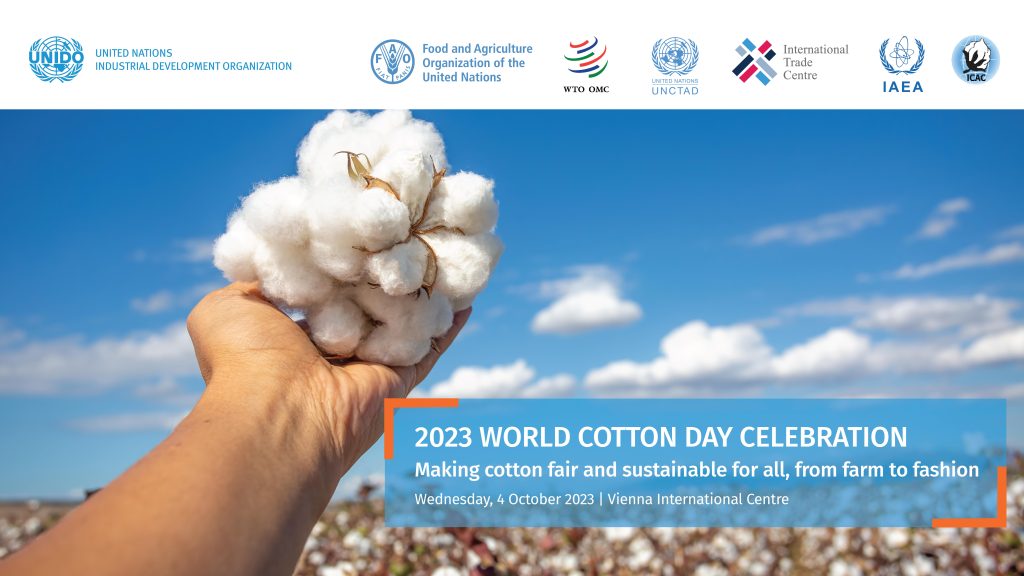
World Cotton Day was adopted by the United Nations General Assembly in 2021. The annual date is 7 October, but this year is being celebrated on 4 October with a World Cotton Day 2023 event hosted by the United Nations Industrial Development Organization (UNIDO) and the Food and Agriculture Organization of the United Nations (FAO) in Vienna, Austria.
This year’s theme is “Making cotton fair and sustainable for all, from farm to fashion.”
We’re proud to have our own Jacky Broomhead, Senior Traceability Manager, presenting at WCD 2023. She’s discussing ‘Traceability as an innovation for the cotton sector’ – a topic we’ve been focusing on as we prepare to launch our Traceability Solution next month and continue to explore how we can create more opportunity for farmers and the rest of the sector.
We’ve also this week had CEO Alan McClay speak at The Economist’s Sustainability Week in London, participating in a panel called ‘Word on the High Street – Making Fashion and Cosmetics Sustainable.’
This is a movement and not a moment, and we hope everyone – brands and retailers, manufacturers, producers and consumers – will join us and be part of something better.
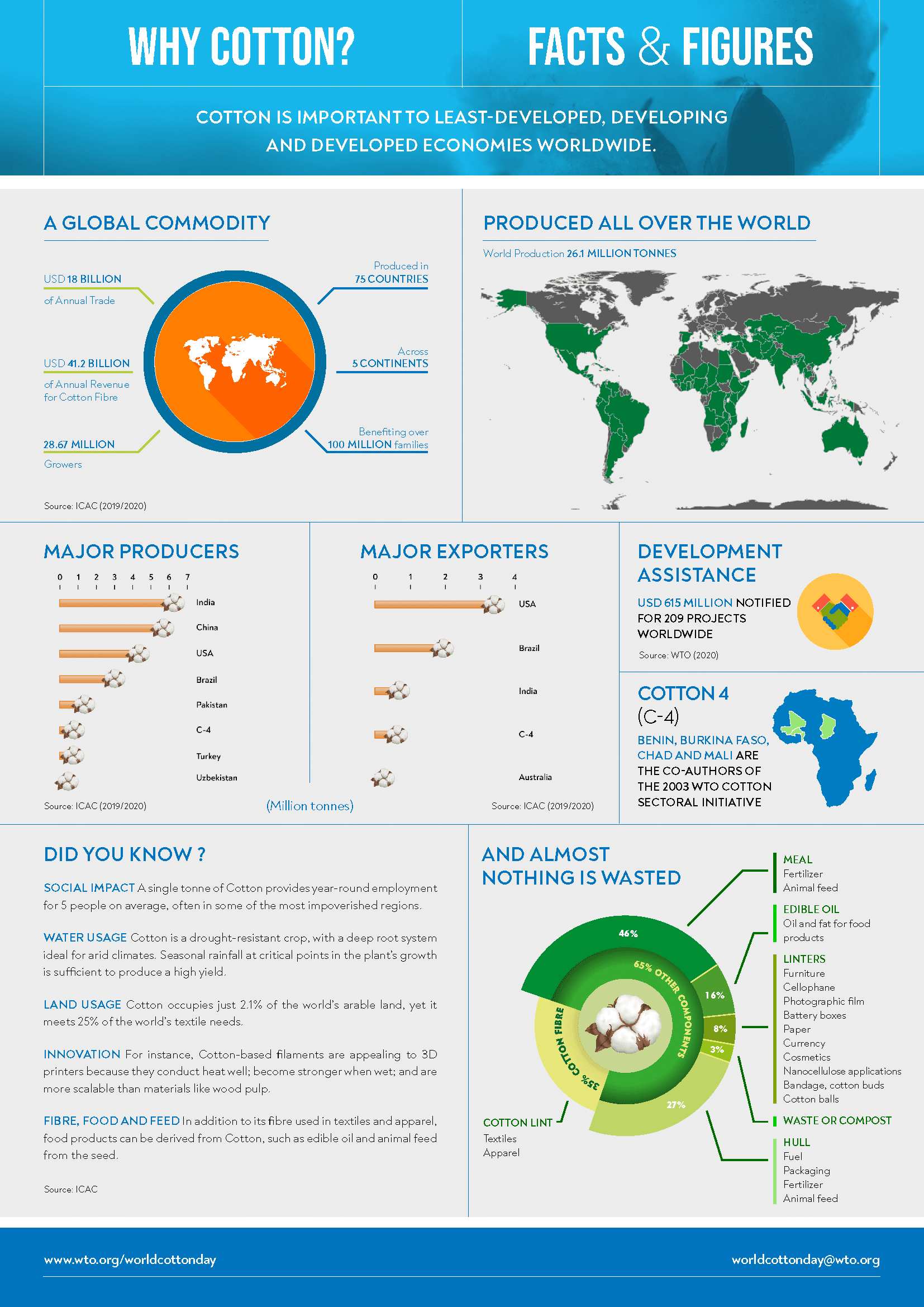
Image courtesy of the World Trade Organization.Read more
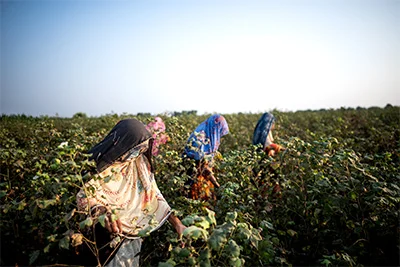
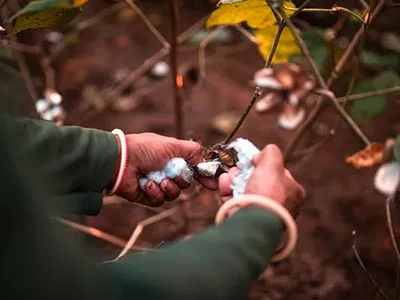
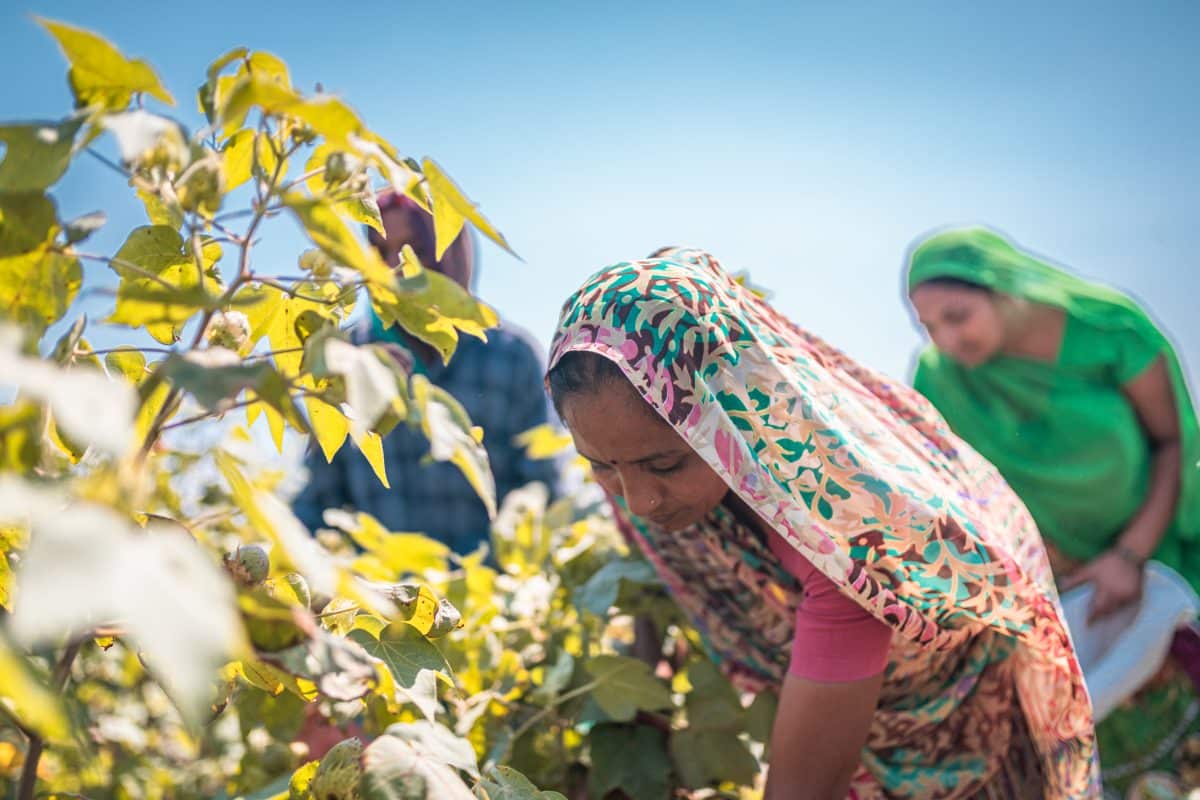
Photo Credit: BCI/Vibhor Yadav
Location: Kodinar, Gujarat, India. 2019.
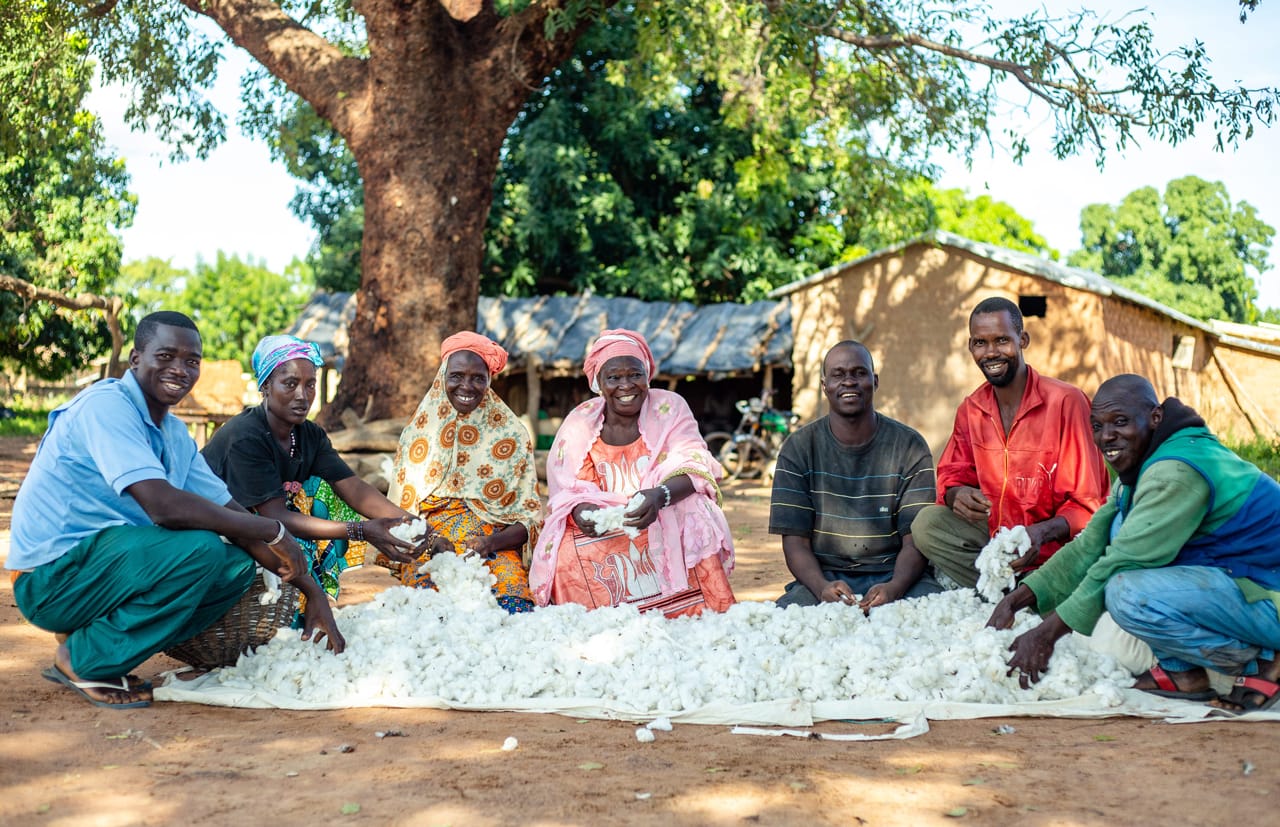
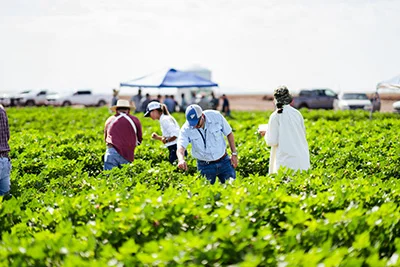
Description: Cotton community harvesting cotton.
Photo Credit: Nisha Onta, WOCAN
Millions of women around the world dedicate their lives to cotton production, and yet their representation and contributions aren’t fairly reflected within the sector’s hierarchies.
It’s with this in mind that Better Cotton recently launched its 2030 Impact Target for Women’s Empowerment. Over the coming years, we aim to reach one million women in cotton with programmes and resources that promote equal farm decision-making, build climate resilience, or support improved livelihoods. What’s more, we commit to ensuring that 25% of field staff are women with the power to influence sustainable cotton production.
To achieve this, we’ll collaborate closely with leading organisations to create the environment for field-level change. Here, we speak to Nisha Onta, Regional Coordinator for Asia at WOCAN, to understand the topic’s complexities and obstacles preventing women from advancing their careers in cotton. Nisha is amongst four keynote speakers at this year’s Better Cotton Conference, taking place in Amsterdam from June 21.
Historically, what have been the barriers to access to training for women in sectors such as cotton farming?
There are a lot of research findings which show that the major barrier for women to access training are time poverty, access to information and restrictions on mobility.
Time poverty simply means there is just not enough free time in the lives of women to add more training to their schedule. It is called the ‘triple burden’ of women. Women are responsible for productive, reproduction and communal roles. Therefore, in order to make sure we want to invite more women to train, organisers will have to provide childcare facilities, the timing of the training has to be reasonable for them and the training should address the triple burden so it is not adding to their already packed schedule of responsibilities.
Access to information is also critical, there are many instances that women are simply not aware of the availability of training or resources. Therefore, the usual mode of communication, such as sending training schedules to local representatives and news in the media might not reach the women we are trying to train. Perhaps using local women cooperatives and other mediums that are accessible to women could increase their participation.
Mobility issues can be due to cultural issues or simply the issue of infrastructure. If the training is scheduled for the evening but local safe transport is not available, for example. In some communities, women may not be allowed to travel to participate in trainings, then the organisers will have to use different strategies to convince the head of the households to give permission for the women to attend.
How influential will the provision of training for women be to increasing their representation in decision-making roles?
Ensuring that there’s capacity for women to participate in decision-making is critical to increasing their representation. If the system is not designed to include women in leadership positions, no matter how much training is available, they’ll never have equal opportunities. Therefore, a systematic rethink is required to create the space for women to participate and influence the cotton sector they contribute so much to.
How important will support from organisations like Better Cotton be to enabling this shift within the sector?
Organisations like Better Cotton can be catalysts to advance gender equality in the cotton sector. Better Cotton’s vast network touches millions of farmers around the world and this infrastructure will be important to driving changes at the field-level. Better Cotton’s Women’s Empowerment Impact Target will serve an important purpose to the sector if we’re to see women afforded the chances that have historically been set aside for men.
By 2030, what infrastructural changes would you like to see within agriculture to better support women?
There needs to be the space for women to voice their opinion and influence the sector’s development through decision-making positions. There has to be more direct resources such as trainings, credit and grants for women led business. These changes will inspire and impact future generations across agriculture and may also encourage the creation of more women-led businesses in the cotton value chain.
Ninety-nine percent of the world’s cotton farmers are smallholders. And whilst production capacities per farmer may be small, together, they represent the bedrock of an entire industry, enabling its global reach.
With the launch of our recent 2030 Impact Target to promote Sustainable Livelihoods, we’re committed to increasing the net income and resilience of two million cotton farmers and workers.
It’s a bold ambition and one we won’t be able to reach without the support of a vast network of partners. In this Q&A, we hear from Better Cotton Council member and Solidaridad’s Senior Policy Director for Sustainable Fashion, Tamar Hoek, about the complexity of this topic and the role Better Cotton can play in supporting smallholders.
In supporting the development of Better Cotton’s Smallholder Livelihoods Impact Target, what issues were you and Solidaridad most keen to see the organisation address and how do you think its target will contribute to achieving this?
We are glad that Better Cotton decided to include net income and resilience for farmers as one of its targets. The livelihoods of farmers and farm workers depend on the price that is paid for the cotton but also on how capable the farmer is of dealing with uncertainties in production. For Solidaridad, the topic of living income has been high on our agenda for years. With the scale that Better Cotton brings, this new target can potentially lead to a higher income for a lot of farmers around the world, which is the first step towards a living income. The target will hopefully lead to appropriate tools for increasing net income, greater awareness in the value chain, best practices and income benchmarks that are needed to eventually scale the improvements.
With the scale that Better Cotton brings, this new target can potentially lead to a higher income for a lot of farmers around the world, which is the first step towards a living income.
Tamar Hoek, Better Cotton Council member and Solidaridad’s Senior Policy Director for Sustainable Fashion
What influence would increasing cotton farmers’ net income have on their ability to promote more sustainable agricultural practices and react to shocks and stressors in the market and the environment?
First of all, increasing a net income should give the farmer the opportunity to improve their livelihood, the situation of his/her family and to save for unexpected situations. Then, improvements can allow for payment of better wages and working conditions, the purchase of health and safety equipment, and perhaps investment into more sustainable pesticides and fertilisers. We all know that the price that is paid for cotton is not enough for all of these investments, both socially and environmentally. Therefore, the increase of the price – and with that the net income – is a start that will allow for a lot of improvements that are needed for more sustainable production. (Editor’s note: While Better Cotton strives for the collective improvement of sustainable livelihoods, our programmes have no direct influence over pricing or commercial activities)
Given Better Cotton’s global reach, can you discuss the potential for its Impact Target to address structural poverty which persists in the sector?
Hopefully, Better Cotton will join forces with other organisations in the industry to scale the impact of the target and collectively come to a living income demand for all cotton farmers in the world. Better Cotton will need to lobby with policymakers, local governments and other stakeholders in the value chain to make sure that the right enabling environment is in place to get rid of systemic issues. Addressing structural poverty is ambitious but that will not happen overnight with just raising the net income of a group of farmers and looking at their resilience. It eventually needs a whole value chain to change and, for that, Better Cotton needs to work collaboratively.
Better Cotton today announces that it will be launching myBetterCotton, a new portal for Better Cotton Members, later this year. Access to the portal will be granted to Members in a phased rollout, starting mid-2023 and continuing throughout the rest of the year.
The myBetterCotton portal has been created in order to improve the Better Cotton membership experience, taking into account the responses from our 2022 Member Feedback Survey. The new portal will provide a platform for Members to connect, collaborate and network, whilst making it easier for them to engage with Better Cotton.
The myBetterCotton portal is built around four key areas:
‘My Membership’ – empowering Members to take control of their organisation’s information and keep it updated, this section will map out the onboarding process and allow Members to review and manage open or pending actions.
‘My Community’ – a space for Members to engage, collaborate and network online. Direct chat and discussion group features will offer Members the opportunity to share opinions, discuss news and talk about their successes and challenges with one another. Members will also be able to view events and webinars and register to attend.
‘My Sourcing’ – where Retailer and Brand Members can explore sourcing guidance, submit their cotton consumption and review their goals, and keep up to date with their progress towards meeting targets.
‘My Claims’ – allowing Members to explore claims guidance and facilitate submissions of marketing and communications materials for review. Members will be able to review any claims they submitted previously.
myBetterCotton is our new and exciting meeting place for Members to network and learn more about Better Cotton. Our vision is that it will help newcomers to Better Cotton blossom into seasoned Members who promote Better Cotton and believe in our mission to improve farmer livelihoods and the environment. We will share regular updates and moderate your insightful discussions and look forward to welcoming you online over the course of 2023.
Paula Lum Young Bautil, Director, Membership & Supply Chain at Better Cotton
Members will receive more information about myBetterCotton, including when they can expect to receive access to the portal, by email in the coming months.
Do you want to know what the largest cotton sustainability programme in the world is up to? Keep up to date with the latest developments and hear from BCI Farmers, Partners and Members in the new BCI Quarterly Newsletter. BCI Members also receive a Monthly Member Update.
Leave a few details below and you’ll receive the next newsletter.
The Better Cotton Living Income Project: Insights from India
Please fill in this request form to receive the full report: The Better Cotton Living Income Project: Insights from India