












By Álvaro Moreira, Senior Manager, Large Farm Programmes and Partnerships, and João Rocha, Senior Programme Coordinator for Brazil and LATAM at the Better Cotton Initiative (BCI)
The latest United Nations’ global climate summit, COP30, in the Brazilian Amazon city of Belém, took place right in the middle of a decade of shocks. From the global COVID pandemic in early 2020, to the cost-of-living crisis, renewed and intensified conflicts, and the rise of tariffs and disruption of global trade systems, there has been no shortage of upheavals in these tumultuous 2020s.
Each of these shocks increases the pressure on cotton producers, businesses, consumers, and governments alike. Yet, in all certainty, the biggest upheaval is yet to come. Days before the start of the climate summit, UN general secretary António Guterres delivered a punch to the gut, stating it is now “inevitable” that we’ll overstep the 1.5oC global warming limit established at the Paris Climate Agreement 10 years ago and warning that this will bring “devastating consequences”.
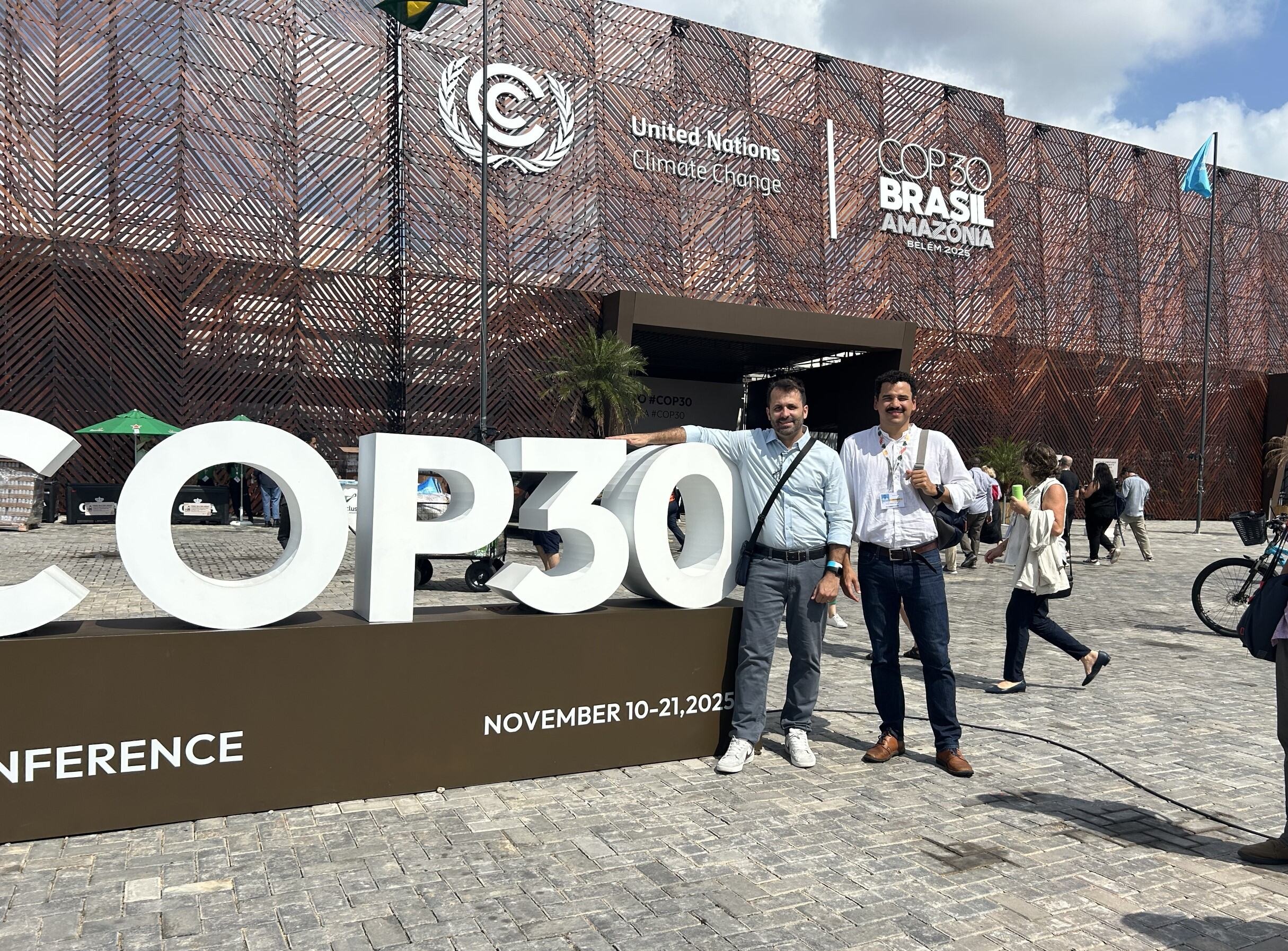
In the face of this stark reality, and after two weeks of debates, presentations, and difficult negotiations in the Brazilian Amazon, one thing becomes increasingly clear: sustainability is no longer optional, it is essential. The alternative would be the collapse of supply chains under climate pressure, with costs soaring and millions of livelihoods at risk. While businesses may be able to navigate legislation and intensified consumer scrutiny, they cannot swerve the inevitable consequences of climate change.
Building resilience into our supply chains has become business-critical – and the cotton sector is a sobering example of what is at stake, as droughts and severe floods ravage farmland. The Better Cotton Initiative (BCI) has seen the effects of climate change unfold across farming communities, from the United States and Brazil to Pakistan and India. It is the difference between a viable harvest and a lost season.
Recent research from the Cotton 2040 initiative has concluded that half of all cotton growing regions could face severe climate risks by 2040. It stated that all six largest cotton producing nations – India, USA, China, Brazil, Pakistan, and Turkey – are exposed to risks such as wildfire, drought, and extreme rainfall. Another study observed that compound drought and heat events have increasingly affected cotton production since the 1990s. Now is the only time to act.
These developments are devastating for local communities, but we will all feel the impact. After all, should cotton and other key raw materials become scarce with supply less predictable, costs to businesses and consumers alike will skyrocket. That is why investing in building farm-level resilience and supply-chain sustainability is essential. Without them, the entire system risks becoming too fragile to function.
Thankfully, we have a tremendous opportunity to place cotton farming communities at the centre of a more sustainable future. As we have set out to demonstrate in India through a pilot project focused on biochar, the agricultural sector has the potential to not only support local communities, but the futures of industries like fashion, through carbon removals.
Our message at COP30
That was the message we took to COP30 where, with a specific zone focused on sustainable agriculture and technological innovation, climate-smart practices and recently developed technology caught the attention of those in attendance. There were discussions around entrenching resilience through agro-ecology, regenerative agriculture, and innovative solutions that promise to reduce agriculture’s footprint.
The diversity of stakeholders at the summit spoke to the fact that climate change is already affecting people around the world. The passionate involvement and protests involving children and indigenous communities highlighted the omnipresence of climate change concerns around the globe.

There were moments of hope: the creation of new credit lines reminds us that collective action among a diverse range of stakeholders remains essential to achieving structural transformations required in the face of the climate emergency. There was particular enthusiasm with the official launch of RAIZ, the Resilient Agriculture Investment for Net-Zero Land Degradation, by the Brazilian government, a promising initiative to raise funds for the recovery of degraded agricultural areas in different parts of the world. At its launch, it received support from nine countries, including G7 members such as Canada, Germany, Japan, and the United Kingdom.
Sadly though, there was also a palpable feeling that we are not making as much progress as we should, and many left the summit questioning whether COP remains fit-for-purpose and capable of catalysing change at the required scale. Despite the urgent need to reduce the global economy’s dependence on fossil fuels, the attempt to establish a commitment to reduce their production and use was dropped from the text of the final COP30 agreement, after exhausting negotiations between governments.
While this is frustrating, we all knew that COP30 alone would not change the status quo – and it is up to all of us to do more if we are to weather the storm. Governments must continue to use a combination of investment, policy, and regulation to drive the adoption of climate smart practices. And consumers can simultaneously reduce their own environmental footprint and send a clear message that sustainability is important to them by changing their habits and using their purchasing power to demand more responsibly sourced products.
Businesses are also going to have to take the initiative if they are to secure their own survival. Drastic changes are required to the way we all treat our planet and how we do business, and time is not on our side.
At BCI, we are playing our part by leaning heavily into the potential of regenerative agriculture to improve land resilience, boost biodiversity, restore ecosystems, and improve livelihoods. Recent experiences and studies highlight the possible gains to farmers from regenerative practices, from restoring degraded soils using less water, leading to better productivity while reducing the costs with fertilisers and chemicals; improving their resilience against droughts and heavy rainfall; and offering additional income from the voluntary carbon credit markets. Field analysis by Solidaridad have analysed the potential for a smallholder farmer in India to sequester CO2 through regenerative practices – between 1 ton and 4 tons of carbon on 1 hectare of land.

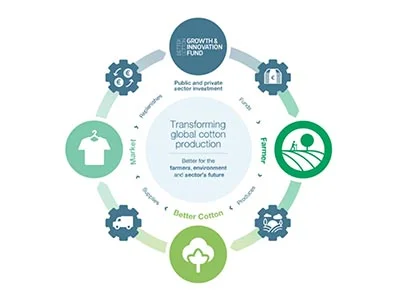
This summer, we announced that by the 2026-27 cotton season, BCI will function as a regenerative standard system – in which not only the principles and criteria in our standard, but all the core elements of our work, including the reporting framework, claims investment, and support for farmers – help drive an ever-increasing uptake of regenerative practices by the farmers we work with.
Nature-based solutions represent a crucial part of the response to the climate crisis, but we must ensure that farmers are set up to succeed. Smallholder farmers account for more than 90% of the world’s cotton farmers, yet they receive just 0.8% of total climate finance1. This is a fundamental failure of global climate finance, since if smallholders are left behind, the entire supply chain is at risk.
Facilitating and encouraging the uptake of regenerative practices is just one of the ways in which sustainability standards schemes such as the Better Cotton Initiative can work with partners to strengthen supply chains and ensure that vital sectors such as cotton can respond to the threat from climate change.
This work is only going to become more important. As we move on from the latest round of COP discussions, it is clearer than ever that sustainability is no longer a nice to have or a demand-signal from a niche of consumers they can choose to respond to. It is, rather, the only viable way to build long-term resilience and protect the supply chains on which entire industries depend.