


By Mandy Wang, Senior Membership Communications Officer at the Better Cotton Initiative (BCI)
A new year, a new animal, a new force. Hundreds of millions of people welcome this week a Lunar New Year, particularly in Asia, and the spirit of the day is of action and rapid change. In traditional Chinese culture, the horse is often associated with energy, resilience, independence, and forward movement, while fire adds intensity, drive, and transformation. Together, the two elements bring a combination of both elements to announce a time of change and momentum, filled with both opportunities and challenges.
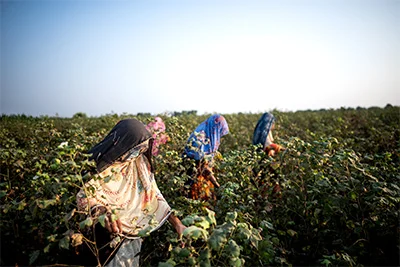
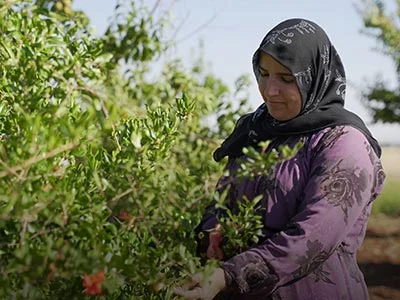
As we enter the Year of the Fire Horse, starting on 17 February, no one personifies more that spirit of rapid and rapid movement than women. Since 2026 is also the International Year of the Woman Farmer, established by the United Nations through its Food and Agriculture Organization (FAO), women cotton farmers and farm workers symbolise this Lunar Year’s spirit of change.
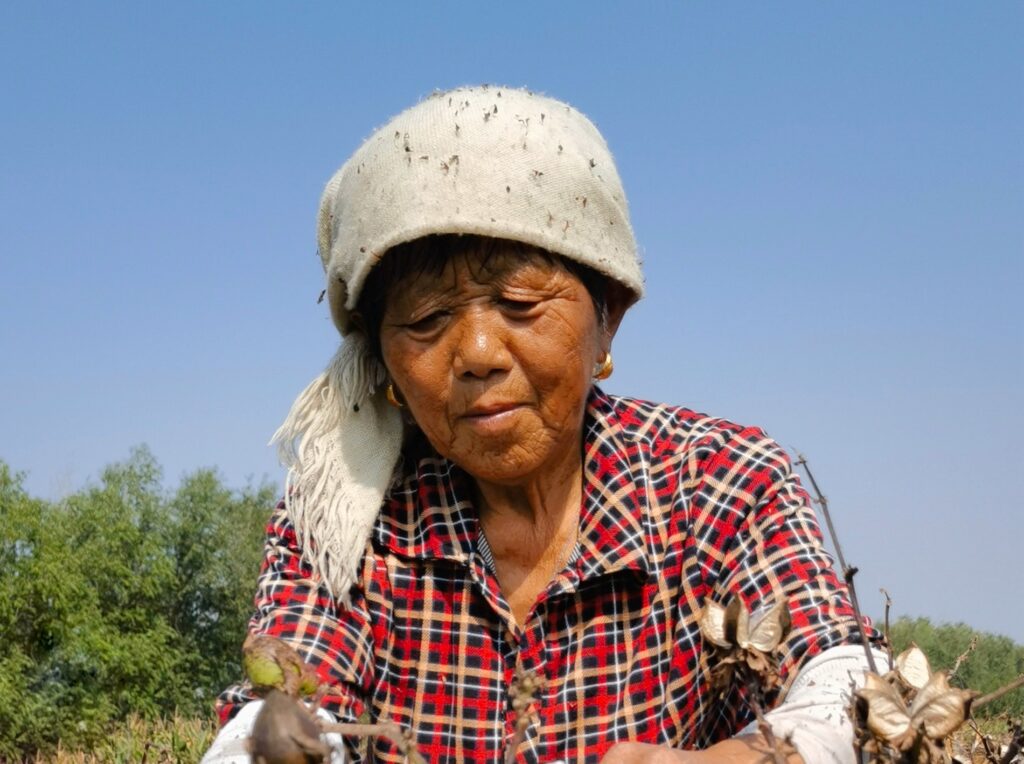
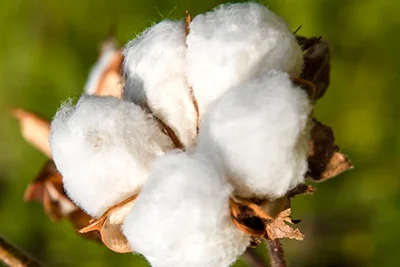
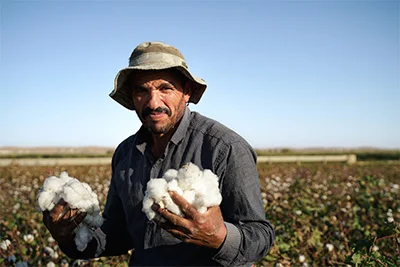
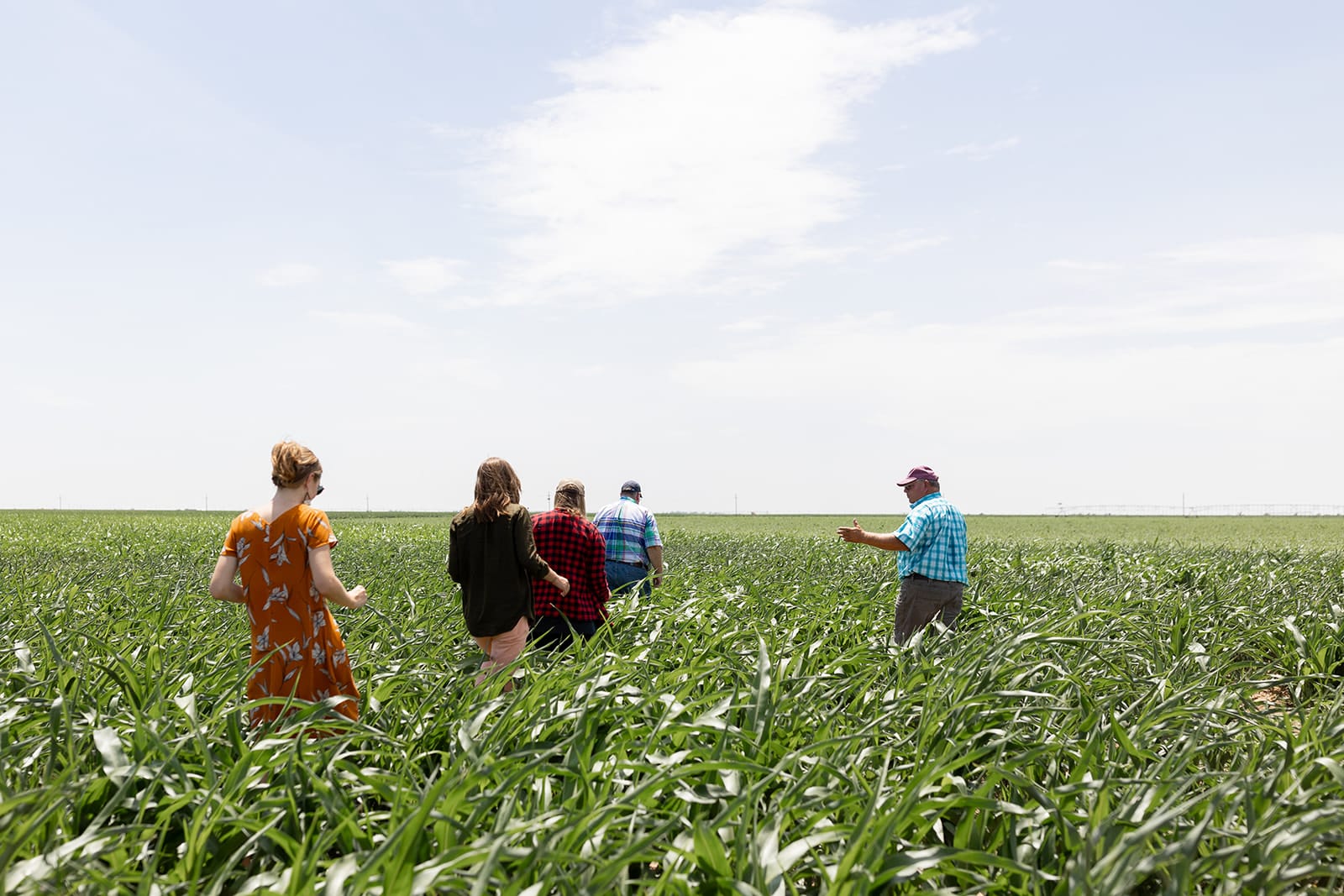
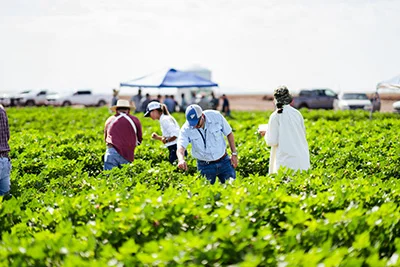
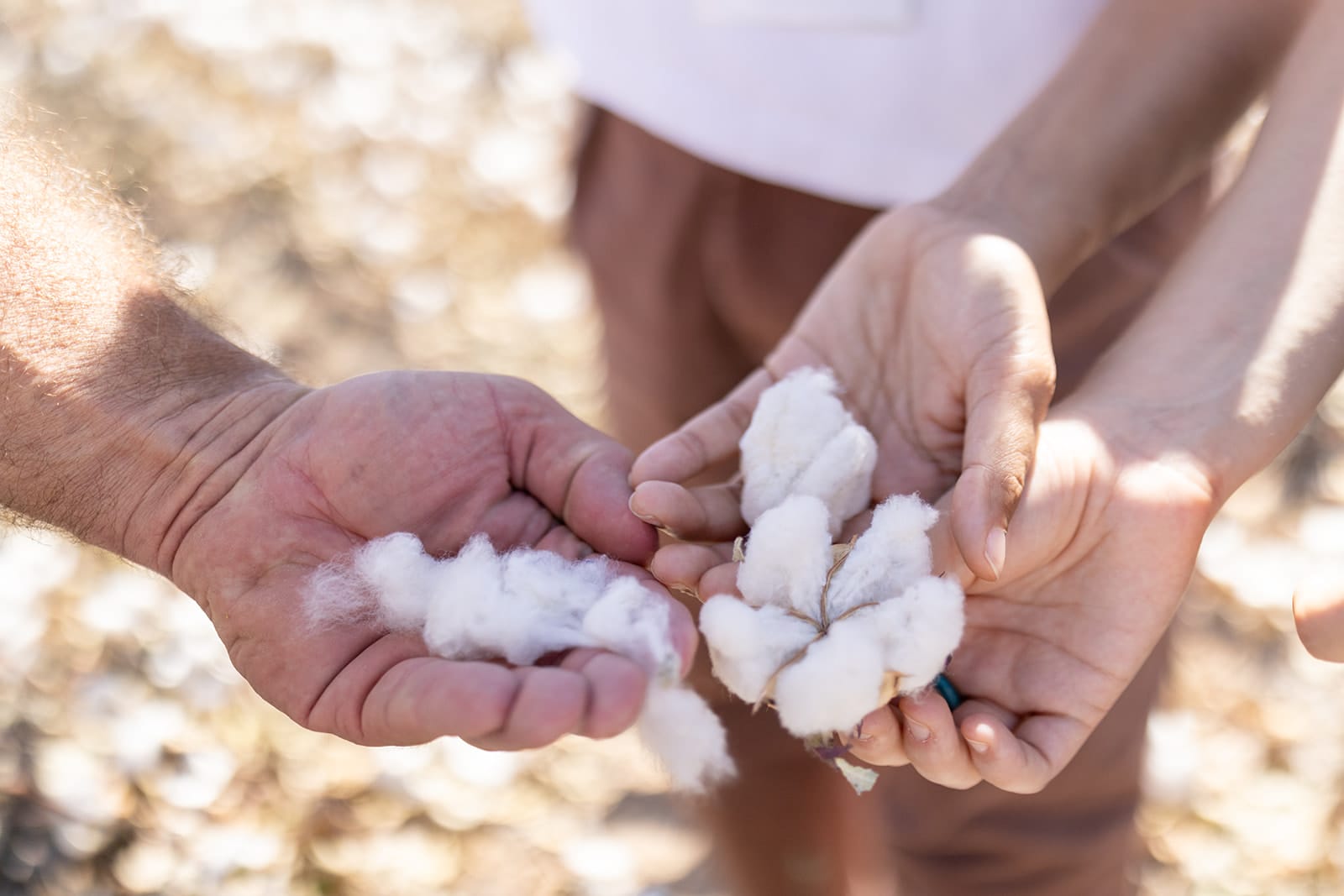
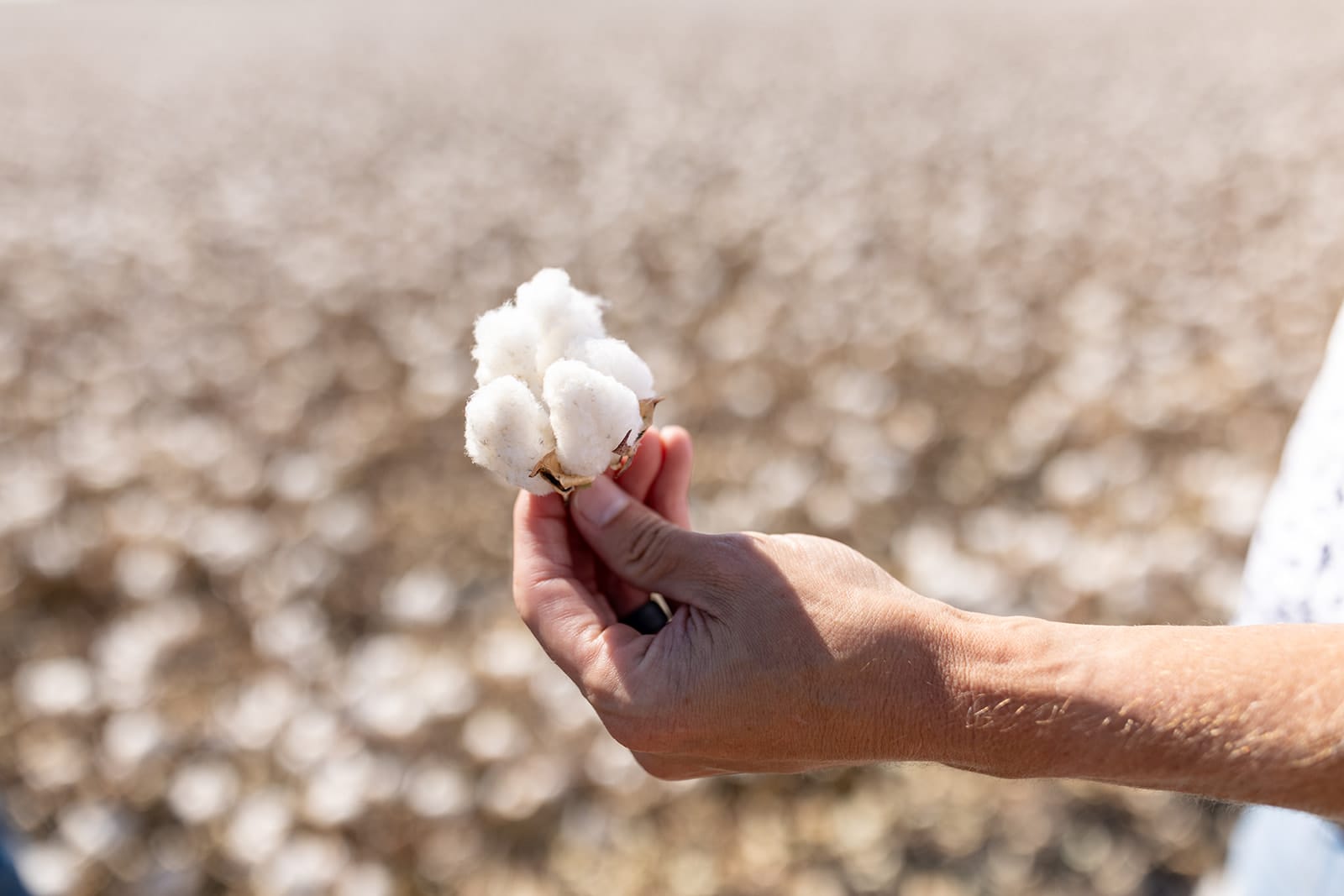
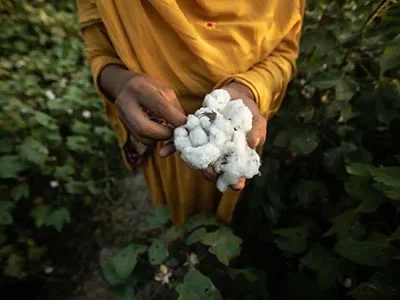
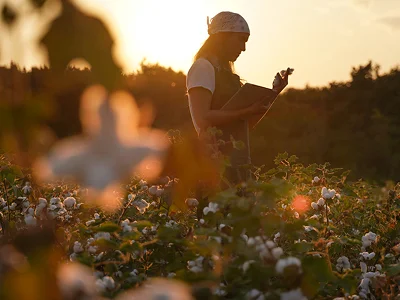
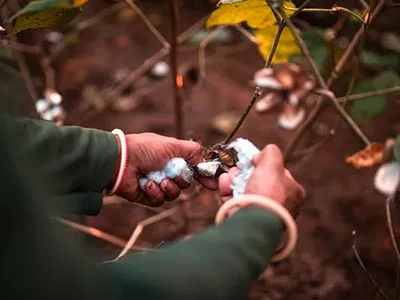
At the age of 64, Zhang Lifang has been growing cotton for more than four decades. When we meet her, along the banks of the Yellow River in China’s cotton belt, in the Shandong Province, the cotton plants stand tall and full. “Back in the day, I depended on my experience and the weather,” she says, pausing to pick a full boll. “High heat, drought — the plants just wilted. When bugs came, I used to carry a heavy pesticide sprayer all day. It made me sick sometimes, but what choice did I have?”
She knew things could not go on as before, especially because she and her community were increasingly vulnerable to climate events. In this is long-established cotton-growing region with fertile alluvial soils, but one that is also increasingly exposed to climate risks such as heatwaves, water stress, sudden heavy rainfall, and pest pressure, which makes resilience and soil health particularly important.
“Heat waves, droughts, sudden floods… We used to wait for the weather and hope it would give us a good day.” Then, the past few years have been of significant change, as if brought by a Fire Horse.
A new way of farming
In 2022, Lifang joined a local project of the Better Cotton Initiative (BCI). Through her participation, she was trained and learned vital lessons that would improve the way she works and her economic situation. What she learned changed the way she farms.
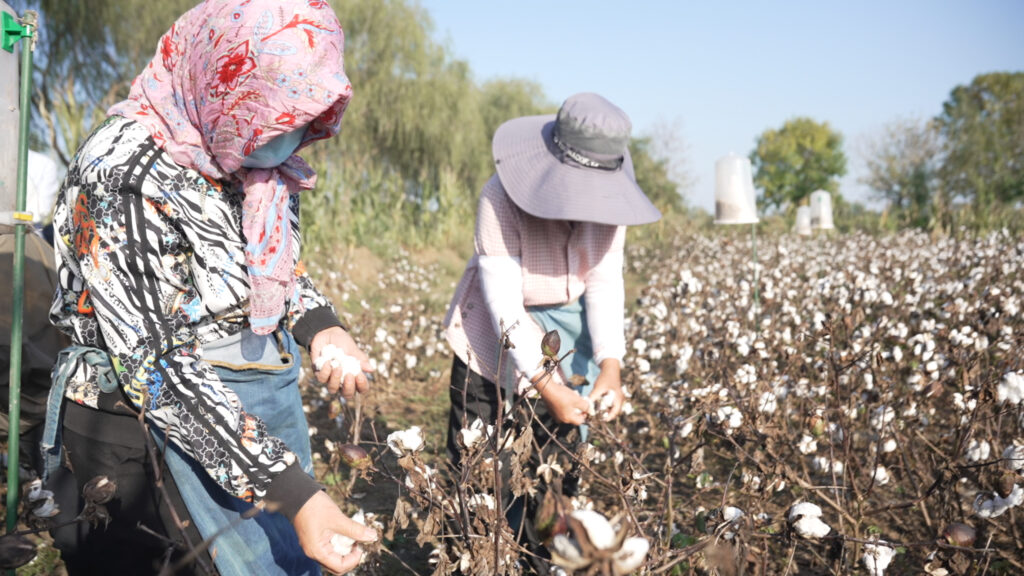
One of the main challenges she was ready to embrace adopting a new way of facing the apparently invincible pests. She wanted more knowledge about actions that could replace the harmful pesticides. When she already had the knowledge, she needed better support so she could adopt new methods and see if they really worked.
They did. Lifang installed insect traps at the edge of the field and inter‐cropped herbs between the rows, and the positive results surprised her. “At first, I didn’t believe those herbs or traps would work,” she admits. “But the bugs got fewer, the soil got softer, and the cost of pesticides dropped in half. The herbs we planted even brought extra income.”
The learnings and benefits that have changed Zhang Lifang’s life as a cotton grower have been shared by her community, including the economic progress. Following the adoption of improved practices promoted through the BCI programme. the average income of cotton growers in their community has increased by around 7%.
Lifang believes that, just as important as the lessons she has learned, is sharing that knowledge and experience and encourage others in the village to adopt the same methods. By doing that, she helps others improve their livelihoods, so the Fire Horse change can benefit the whole community. “If I make money, my neighbours should too.”
Click here for more information about the International Year of the Woman Farmer
Click here for more information about BCI’s gender strategy
Click here for more information about BCI activities in China