



















The Better Cotton Initiative (BCI) has published the Principles and Criteria (P&C) v.3.2, our farm-level standard that defines how BCI Cotton is produced.
A critical component of the BCI Standard System (BCISS), the updated P&C introduces targeted improvements to selected indicators and guidance to enhance clarity, feasibility, and auditability across diverse cotton production contexts, alongside a strengthened approach to regenerative agriculture. This marks the next step in the organisation’s journey to becoming a regenerative standards system.
The release of P&C v.3.2 is accompanied by updated Global Reference Documents and a Summary of Stakeholder Consultations, which provides transparency and BCI’s response to the feedback received during the revision process.
Consolidating BCI as a regenerative agriculture standard system
The P&C v.3.2 revision constitutes a Partial Substantive Revision of the standard in accordance with the BCI Standard Setting and Revision Procedure (SSRP) v2.2, which used the ISEAL Code of Good Practice for Sustainability Systems as a reference. This type of revision introduces targeted amendments to selected indicators and related guidance without changing the overall structure, intended outcomes, or scope of the standard.
The revision process was launched in June 2025 and concluded with the approval of P&C v.3.2 by the BCI Council in December 2025. The P&C v.3.2 is effective as of 1 April 2026.
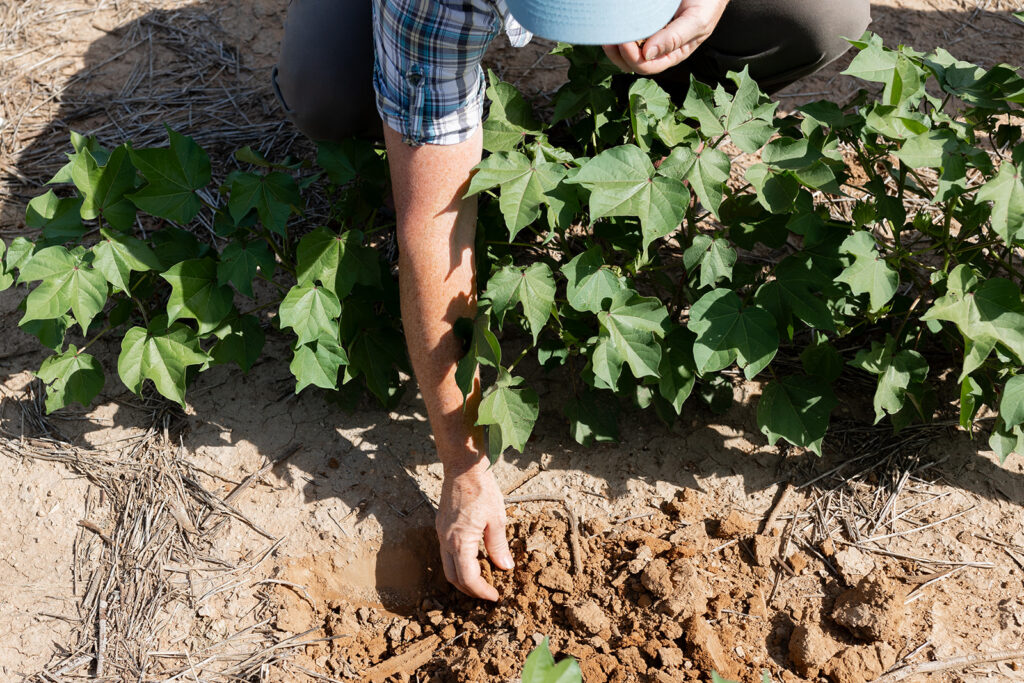
This revision forms part of BCI’s broader work to fully embrace regenerative agriculture, which has become increasingly integral to BCI’s mission of helping cotton farming communities survive and thrive while protecting and restoring the environment. This follows a third-party assessment of BCI’s field-level standard against other regenerative standard systems.
BCI embraces the core idea of regenerative agriculture that farming should give back to nature rather than take from it. Our approach to regenerative agriculture reflects our commitment to support locally relevant practices and drive continuous improvement – with a specific focus on regenerative outcomes that include restoring and enhancing soil health, advancing water use efficiency, enhancing biodiversity, increasing carbon storage and reducing greenhouse gas emissions.
Tied to this approach is our core belief that efforts to improve the environmental aspects of cotton farming will only be successful if we also improve the social and economic conditions of cotton-growing communities.
In P&C v.3.2, BCI maintains key regenerative agriculture practices that are relevant across cotton-producing contexts while strengthening the requirement for continuous improvement and the adoption of regenerative agricultural practices over time.
Governance and approval
The revision process was led by the BCI Standards Team, with technical input and validation from relevant teams across the organisation. Following review of the proposed revisions, the BCI Council approved P&C v.3.2 in December 2025. Further details are available in the Summary of Stakeholder Consultations.
Stakeholder consultations
The revision process included stakeholder engagement conducted between June and October 2025.
Consultation activities included internal consultations with BCI secretariat staff, a 30-day public consultation open to external stakeholders in August 2025, feasibility assessments with Programme Partners across cotton-producing countries, consultations with benchmarked partners, and an external auditability review conducted with an accredited certification body.
In total, approximately 100 stakeholders participated in consultation activities, providing around 150 comments that were considered during the revision process.
Access the updated documents
The following documents are now available on the BCI website:
- BCI Principles and Criteria v.3.2
- Reference Documents:
- Farm Data Requirements
- Land Conversion Assessment Procedure
- HHP Lists – Prohibited, CMR, Env Hazard Lists
- HHP Exceptional Use Process
- Summary of Stakeholder Consultations
These documents support implementation of the updated standard as normative documents and the Summary of Stakeholder Consultations provides transparency on the revision process.
Credibility and transparency
BCI is an ISEAL Code Compliant member. Our system has been independently evaluated against ISEAL’s Codes of Good Practice — a globally recognised framework for effective and credible sustainability systems.
In line with these requirements, BCI publishes documentation related to standard revisions and stakeholder consultations.
Previous standard updates
The Better Cotton Initiative periodically reviews its Principles and Criteria to ensure the standard remains relevant, credible and aligned with evolving sustainability expectations across cotton-producing contexts. The Principles and Criteria v.1.0 was first published in 2010, v.2.0 in 2017, and v.3.0 in 2023. P&C v.3.0 strengthened requirements across environmental and social areas, including gender, livelihoods, decent work, and climate action.
In March 2025, BCI published P&C v.3.1, a non-substantive revision that retained the structure and normative requirements of v.3.0 while introducing clarifications in indicator guidance and minor editorial updates.
The Better Cotton Initiative would like to extend its sincere thanks to all stakeholders who contributed their expertise and valuable insights throughout the consultation process. Their input was instrumental in shaping this update and ensuring that the strengthened approach to regenerative agriculture remains practical, credible, and relevant for cotton farming communities around the world.
Contact us
BCI welcomes continued engagement from stakeholders on the development and implementation of its standards.
For questions or further information about the P&C and/or the revision process, please contact the BCI Standards team at: [email protected]