






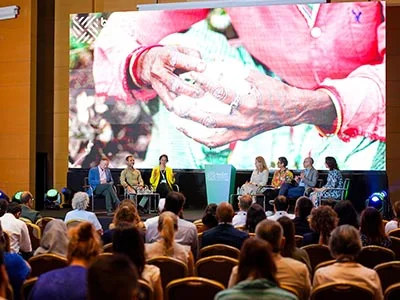

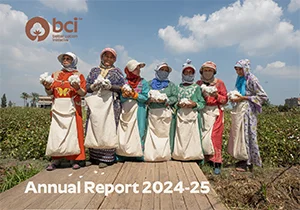


One year after the launch of BCI’s Programme in Benin and the formalisation of our strategic partnership with the Interprofessional Association for Cotton (AIC), we are proud to be hosting a multi-stakeholder workshop on decent work in Cotonou on 26 and 27 March. The event brings together key stakeholders across industry, government, producer and worker representatives, civil society and international organisations.
As a key pillar of our approach to promote decent work in cotton production, multi-stakeholder engagement embeds BCI’s commitment to building shared responsibility among key actors.
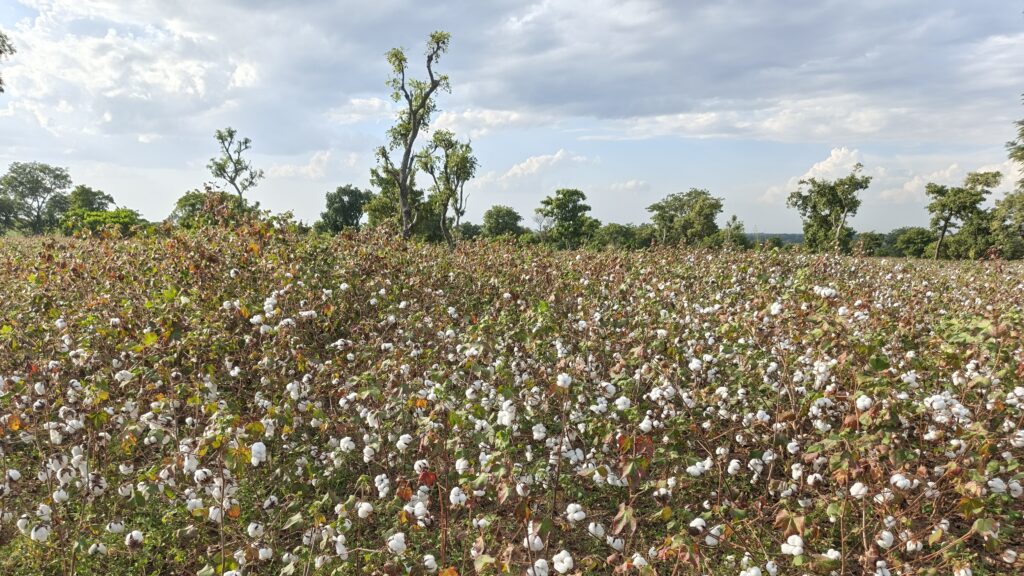
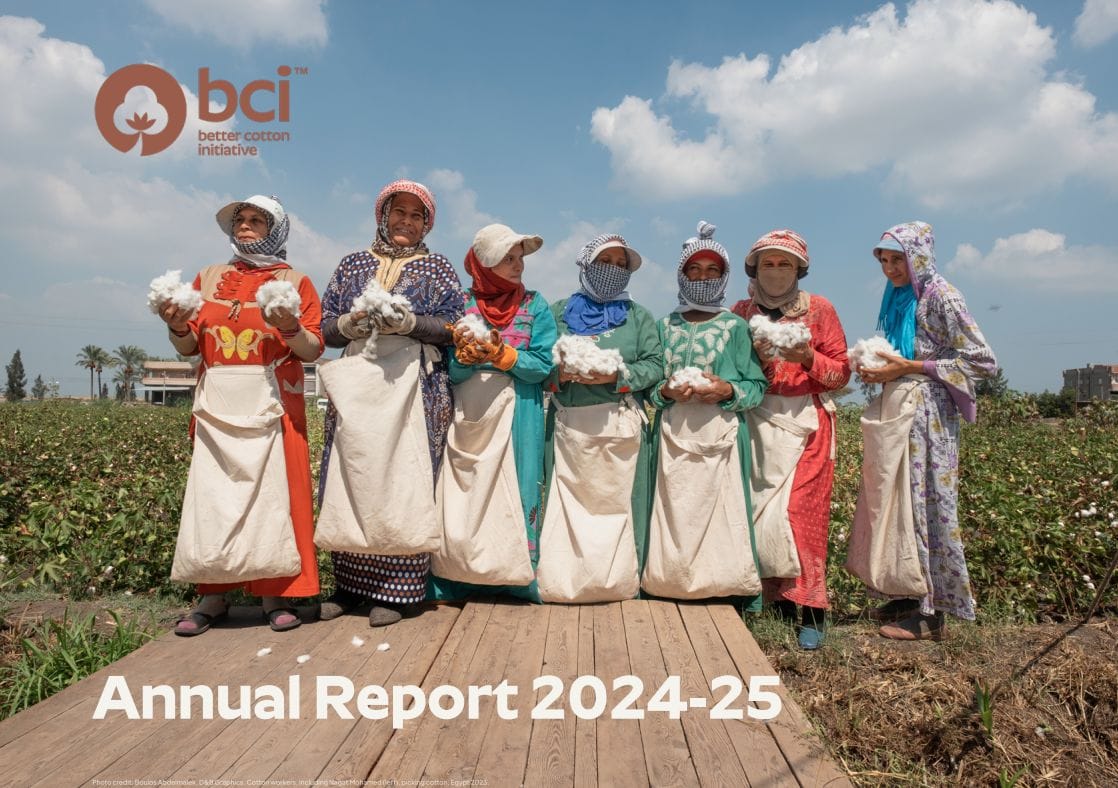
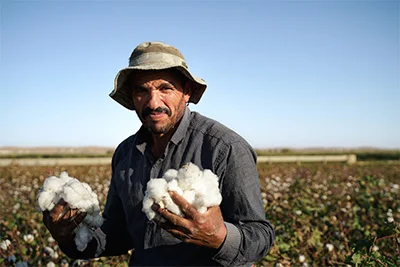
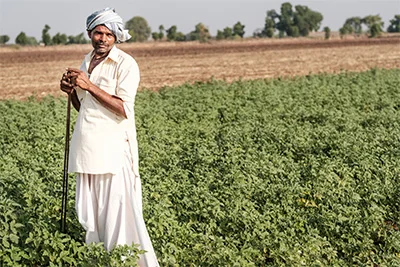
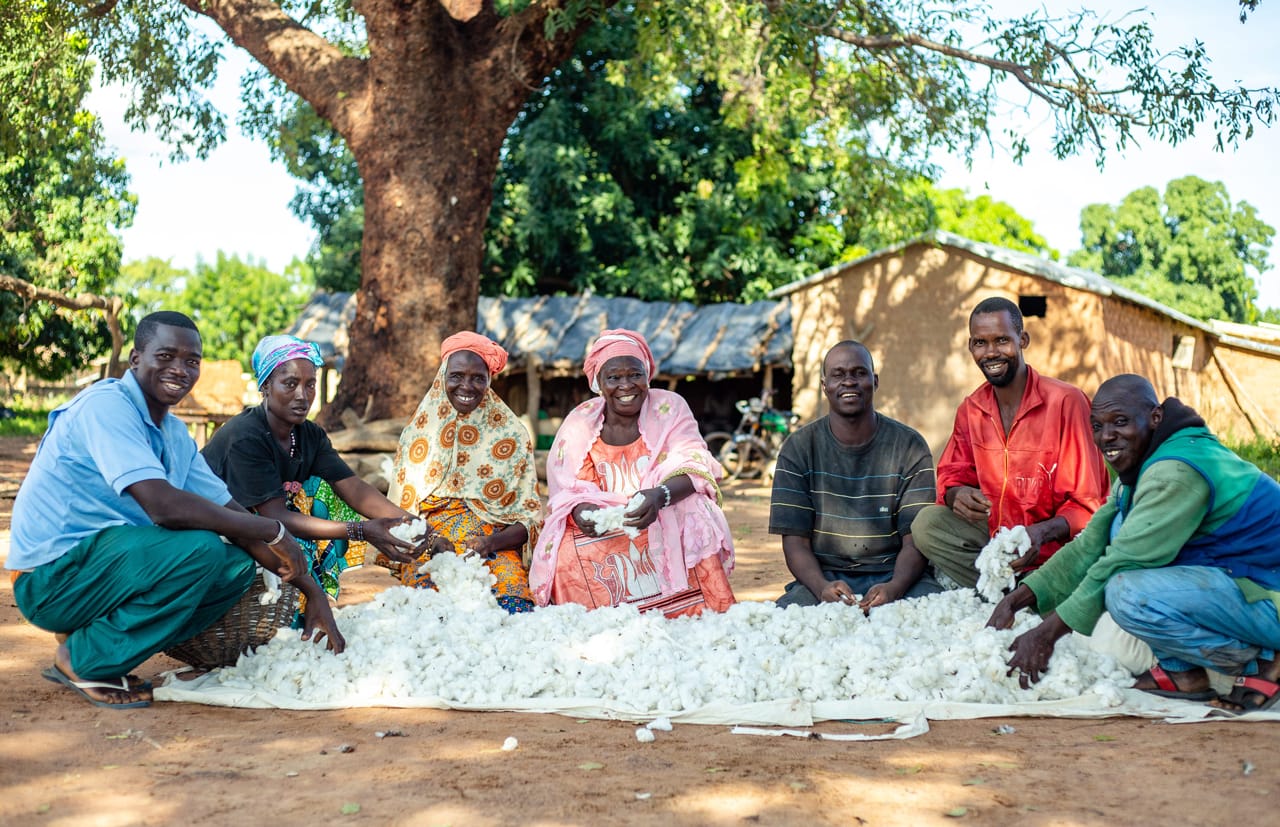
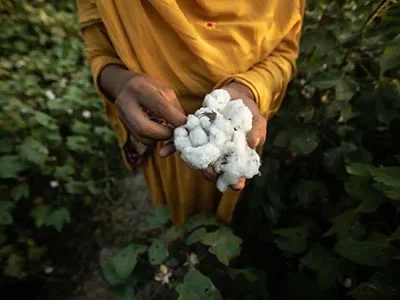
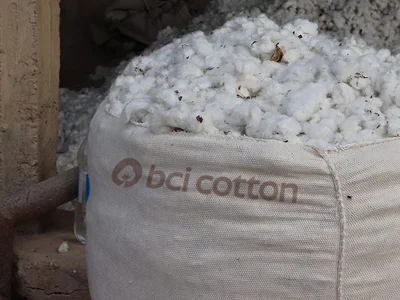
In Benin, cotton is the principal cash crop, accounting for almost 50% of the country’s global exports in 2024[1] and being produced by more than 200,000 smallholder farmers in the Northern and South-Central regions.[2]
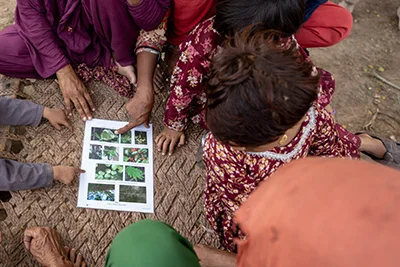
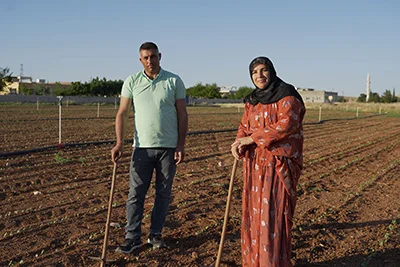
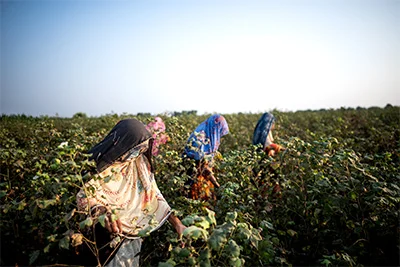
According to a labour study conducted by BCI in Benin last year, cotton production relies on the efforts of a diverse labour force, composed of family labour, seasonal and migrant labour, largely through informal work arrangements. Workers face several challenges, including low incomes and wages, child labour, violence and harassment, barriers to gender equality, health and safety concerns, limited organisation and collective bargaining, and common disputes related to working terms.[3]
Significant collective efforts are required to address these issues, which are not unique to Benin. Our workshop sets out to create a platform for dialogue and actionable commitments to address these key challenges. It also aims to exchange lessons learned from existing efforts and initiatives to advance decent work in cotton and in other agricultural value chains across the country.
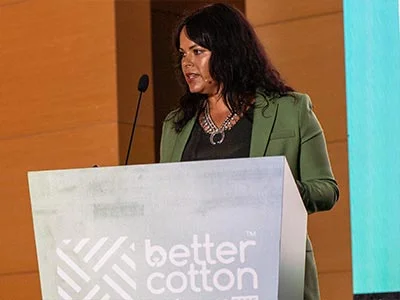
Marie Prisca N’Gouandi, BCI’s Decent Work Coordinator for the Africa Region, believes actions like this will lead to a healthier and more responsible cotton production in Benin:
“As a lever for community development, increased efforts to advance decent work in cotton production are critical to ensuring the future sustainability of the sector. Women especially have an important role to play, and need greater recognition, equality and support in their contributions to cotton production.”
Aboudou Salifou, BCI’s Programme Coordinator in Benin, says the multistakeholder event is a unique opportunity to enhance collaboration in the sector, exploring possible partnerships and cross-learning opportunities:
“With BCI and AIC’s partnership coming up to the one-year mark, we are grateful for the opportunity to continue working together and look forward to engaging in wider collaboration and learning to strengthen sustainable cotton production in Benin.”
If you are interested in contributing to the discussion and collective efforts to promote decent work in the Beninois cotton sector, please reach out to BCI at: [email protected] and [email protected].
[2] AIC 2024.
[3] Labour force study – BCI, 2025.