





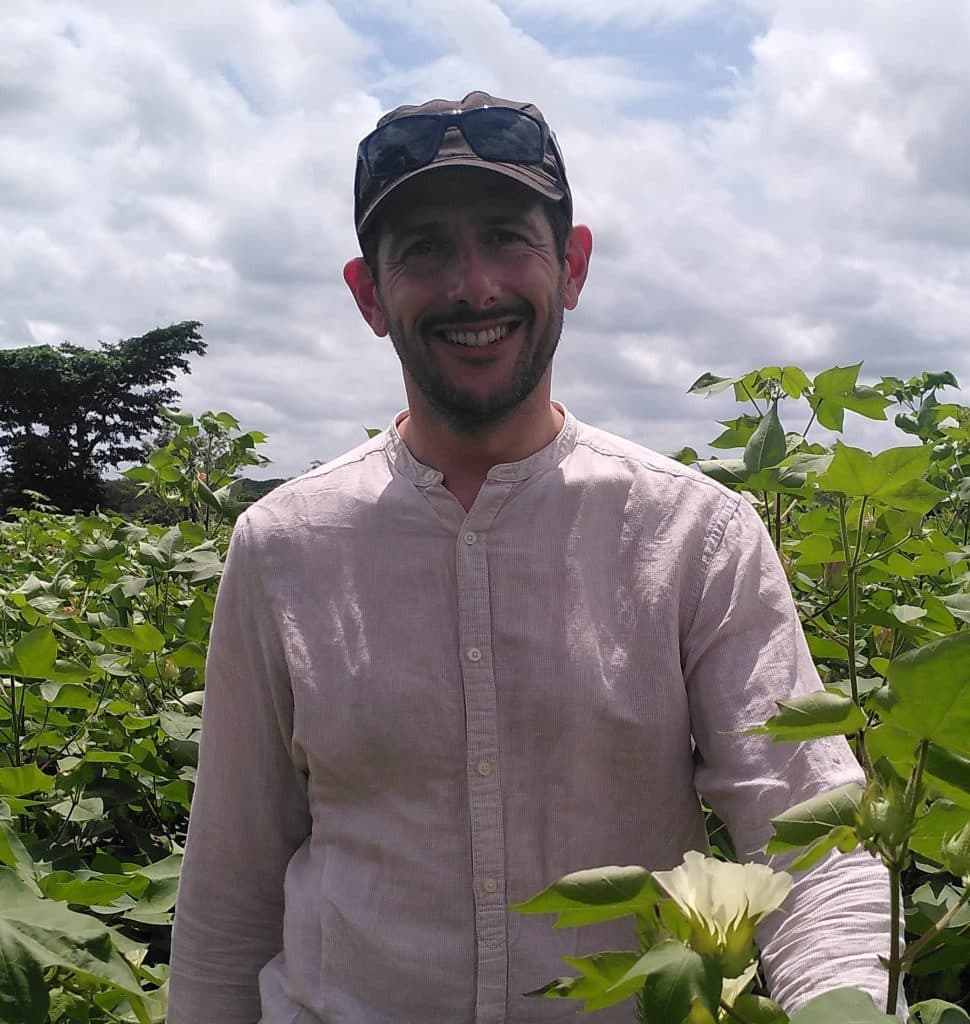
By Miguel Gomez-Escolar Viejo, Head of Monitoring, Evaluation and Learning at the Better Cotton Initiative
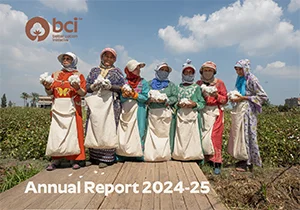
In the past 15 years, the Better Cotton Initiative (BCI) has made significant progress in several key thematic areas. The most important results were gathered and highlighted in our most recent Annual Report, with data showing the measurable difference that our efforts, and those of farmers, members, and partners worldwide, have made. In the past decade and a half, they improved livelihoods, enhanced ecosystems, and created a more resilient and sustainable cotton sector.
As we approach the end of a crucial year for BCI, let’s take a look at some of those key highlights.
Sustainable Livelihoods
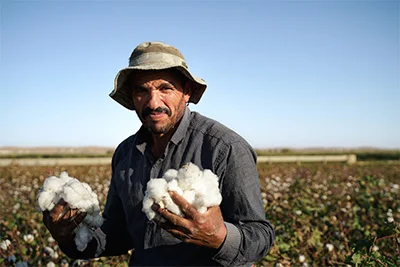
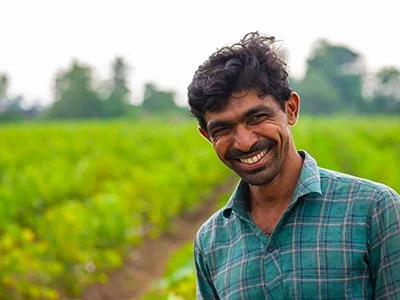
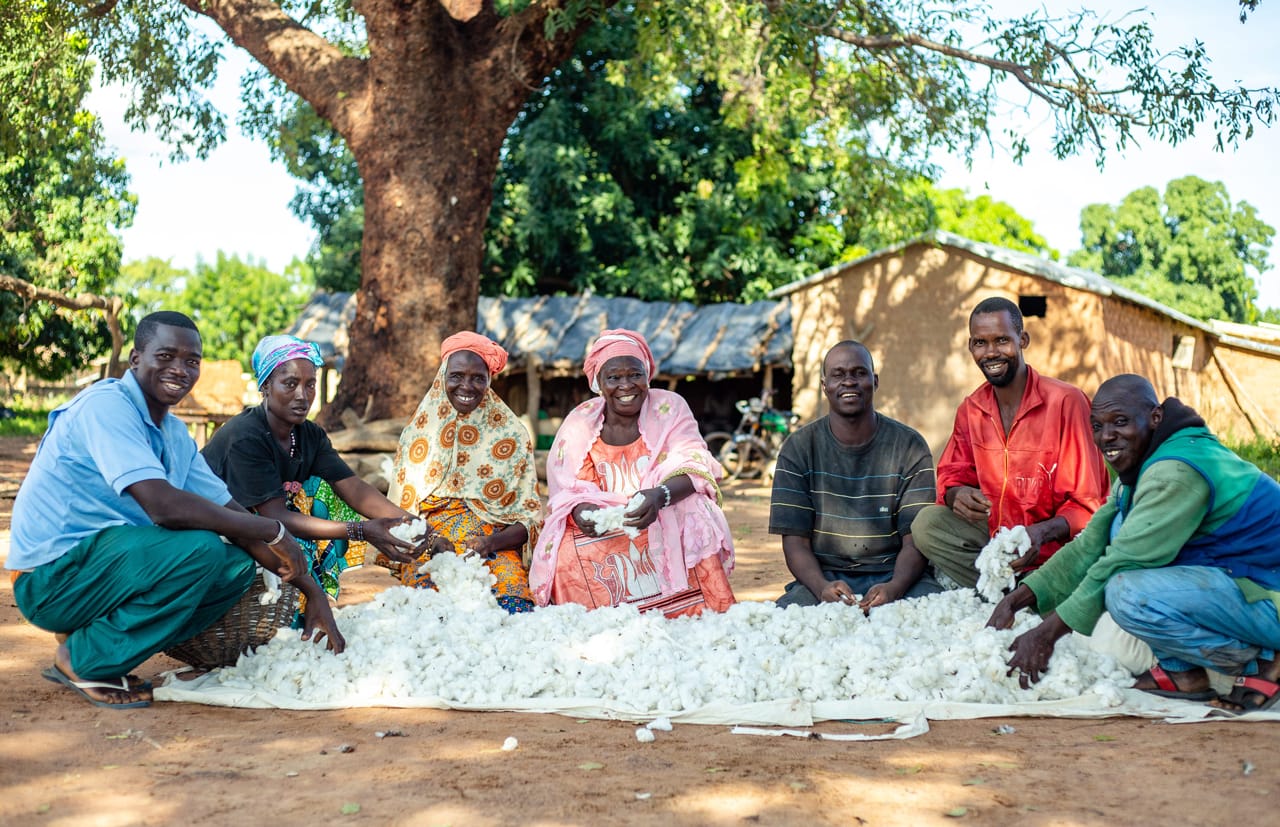
More than 650,000 BCI Farmers have seen profitability gains since joining the Better Cotton Initiative
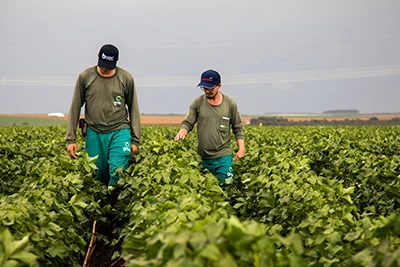
Training on agronomic best practices, water efficiency, and reduced use of synthetic inputs have all contributed to lowering costs and increasing yields for BCI Farmers. This improvement directly translates into stronger local economies, supporting community wellbeing.
Soil Health
Nearly 700,000 BCI Farmers reported a reduction of synthetic nitrogen use per kilogram of cotton produced
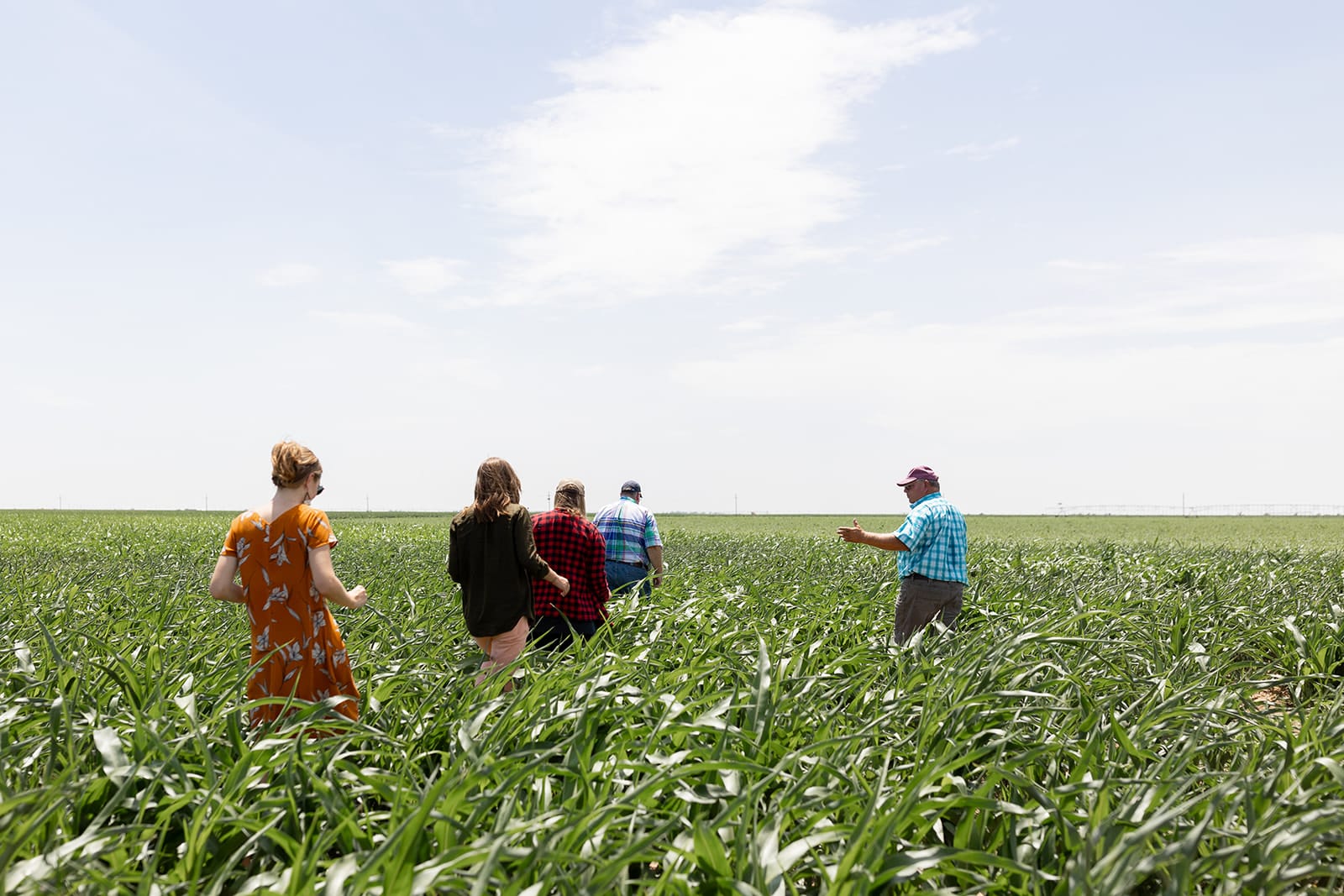
The overuse of nitrogen-based fertilisers in conventional farming has taken its toll on soil health worldwide. This is why BCI consistently trains farmers on practices that promote the reduction of synthetic fertilisers, including composting, cover cropping, intercropping, and crop rotation among others, supporting farmers take active steps to improve the health of their soil. In the 2023/24 season, almost 700,000 farmers across 2.15 million hectares showed a yearly average reduction since joining the BCI programme.
Women’s Empowerment
15% of field staff are now women – and this is growing
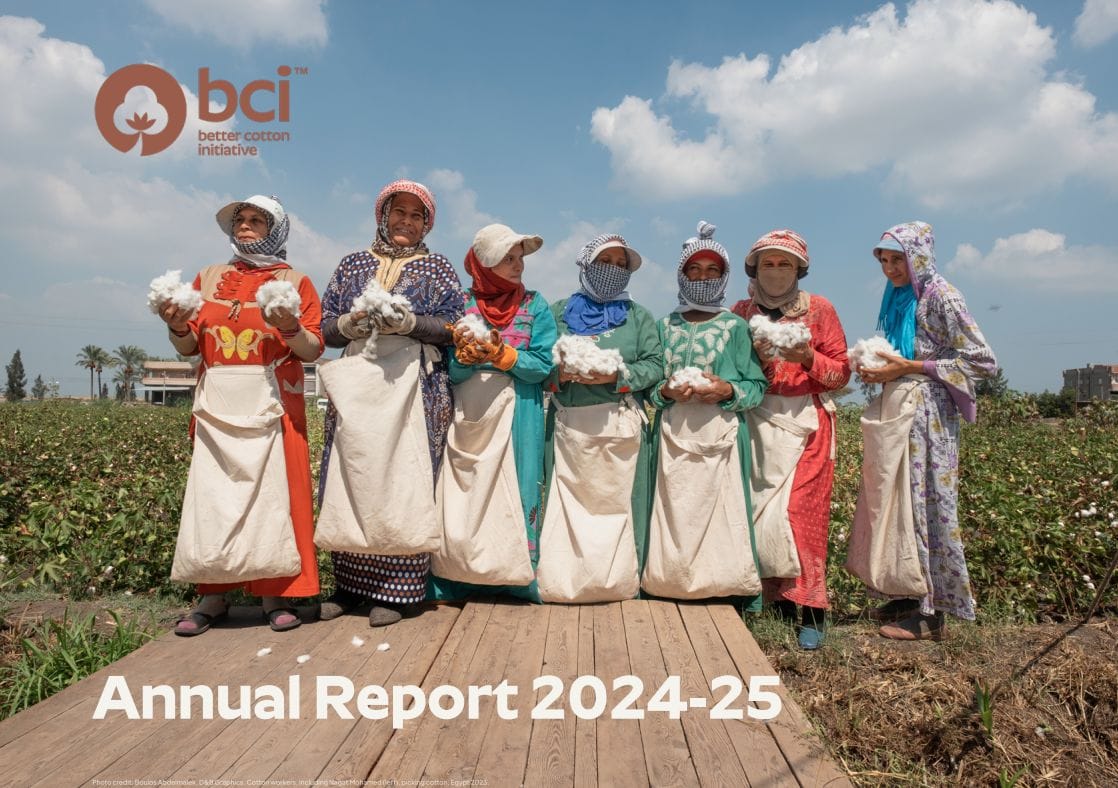
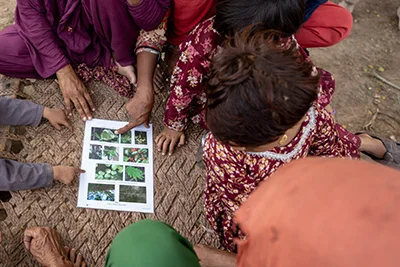
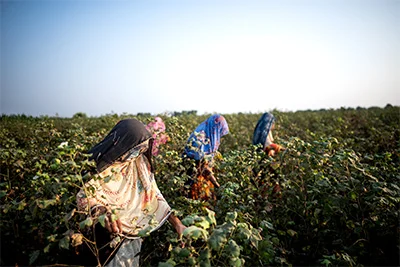
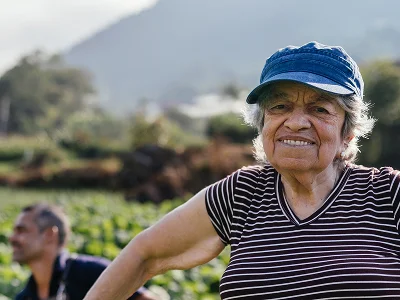
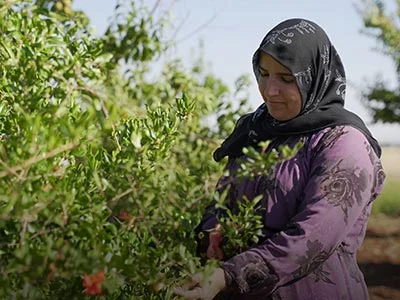
Across the global network of BCI Farmers, women are stepping into new leadership roles, with over 15% of Field Facilitators and Producer Unit Managers in the 2023/24 season being female compared to 9% in 2019/20. In addition, more than 550,000 women farmers and workers have attended one or more training events held by our programme partners this season. By increasing access to training and leadership, the Better Cotton Initiative helps ensure that women’s perspectives shape a more inclusive and resilient cotton sector for generations to come.
Crop Protection
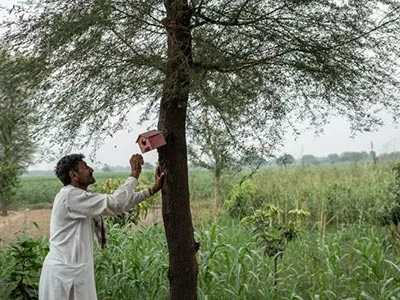
Over 788,000 BCI Farmers have reduced the use of synthetic pesticides since joining BCI
Crop protection and the reduction of pesticide use are central to improving the health of farming communities and protecting the environment which these communities depend on. So too is reducing the use of Highly Hazardous Pesticides (HHPs). During the 23/24 season, over 81% of BCI farmers did not use HHPs in their work, the highest number in 15 years of analysis. As pesticide reliance decreases, biodiversity on farms is expected to improve – showing how sustainability and productivity can move forward together.
Looking Ahead
BCI’s network – from smallholder farmers to global retailers – is united in its goal of creating a more sustainable, resilient, and equitable cotton sector. As we look ahead, we will deepen our approach to sustainable livelihoods, continue to focus on impactful crop protection and climate-related initiatives, build healthier soils through regenerative agricultural practices, and strengthen our connections with farmers, suppliers, manufacturers and retailers.
Together, we are creating a future in which cotton truly benefits people, nature, and the climate.