


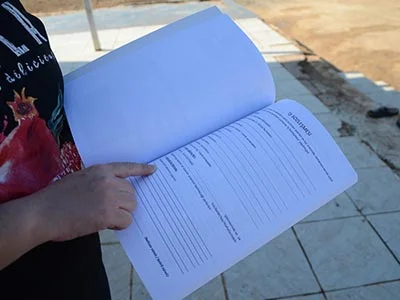
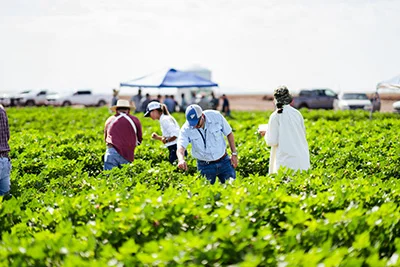




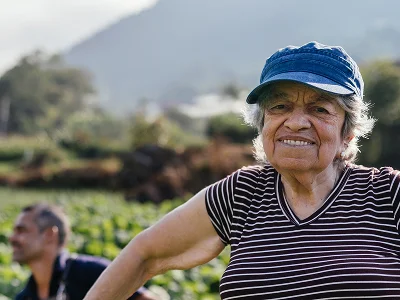

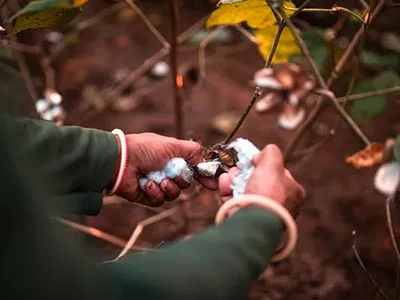
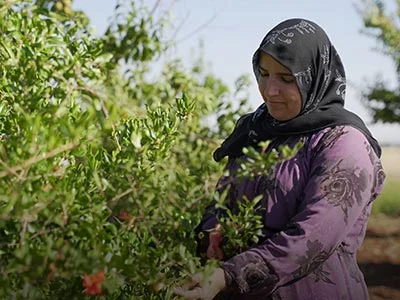
One year since becoming a certification scheme, the Better Cotton Initiative (BCI) has announced that more than 3,000 supply chain actors have been certified. At farm level, more than 30% of farms and producer units supplying BCI Cotton have received a positive audit outcome.
The organisation, which has onboarded a growing network of over 50 certification bodies to complete this work, has also been formally recognised as an ISO17065 compliant certification scheme by organisations including the International Organic Accreditation Service (IOAS).
Tom Owen, Head of Certification at the Better Cotton Initiative, said: “The level of engagement we have seen across agricultural and textile supply chains in our first year as a certification scheme reflects a growing recognition of certification’s importance within these sectors. The continued rollout of this work is integral to improving supply chain sustainability and transparency on a global scale.”
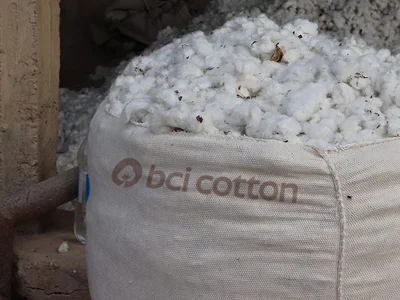
A BCI certificate is issued when a farm or organisation complies with the relevant BCI standard, enabling them to produce and trade BCI Cotton, and promote their commitment to sustainable best practice. As of January 2026, every supply chain actor sourcing Physical BCI Cotton has been certified.
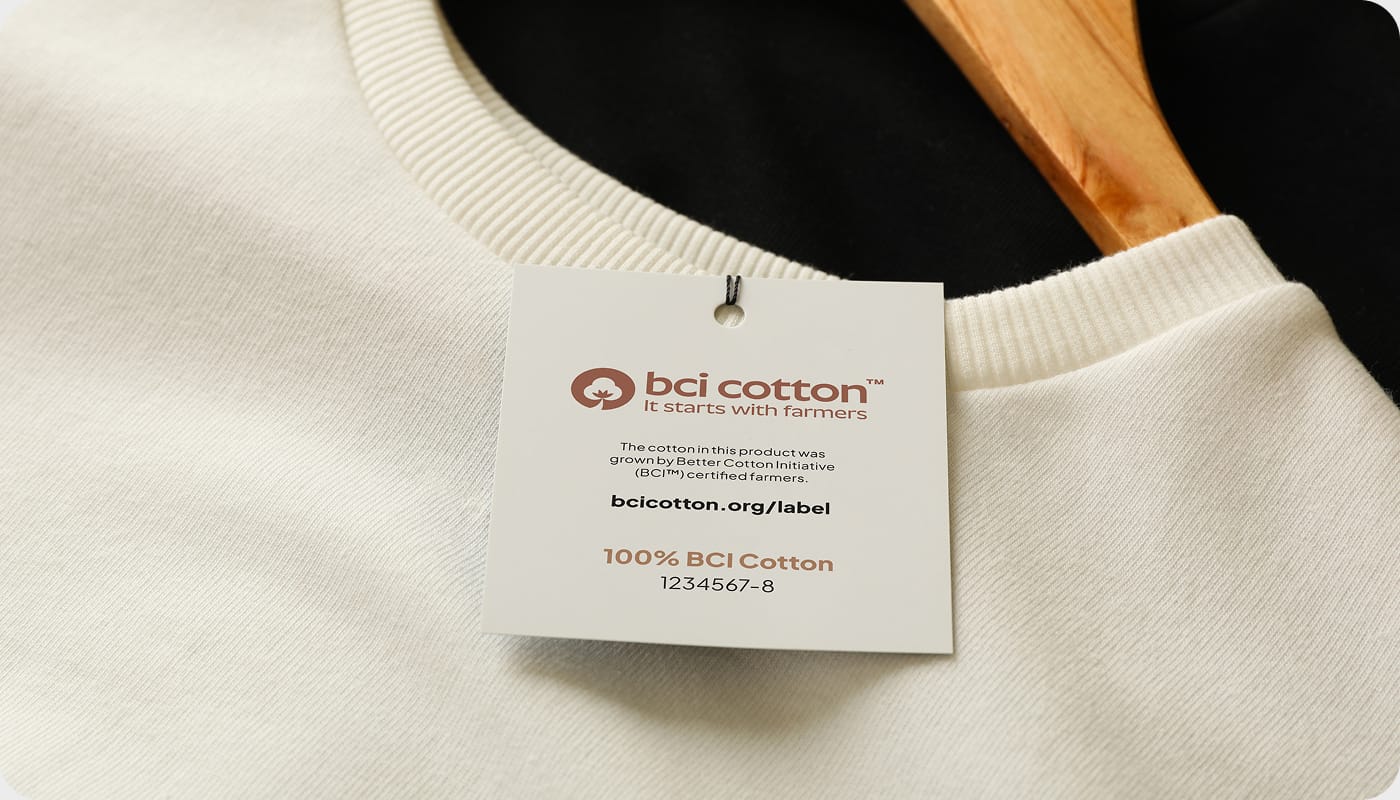
Retailers and brands who undergo certification and source Physical BCI Cotton from a fully certified supply chain are also eligible to use the recently launched BCI Cotton Label, which informs that a product contains more than 30% Physical BCI Cotton. These highlights support for BCI and farming communities around the world.
US cotton marketing cooperative Staplcotn and Australian retailer Big W are among the thousands of organisations to have achieved certification.
Shane Stephens, Vice President of Cotton Services and Warehousing at Staplcotn, said: “We believe BCI Certification will serve to satisfy many of the modern marketplace demands. It can meet those increasing requirements associated with obtaining assurance and comfort in purchasing decisions. Our goal is to increase the value of our grower/owner’s cotton by providing what the customer needs, which certainly can include product certification.”
Andrew Whale, Sustainability Delivery Lead at Big W, added: “When a customer purchases a product from our business, they are walking away with the confidence that we’re doing the right thing [and] that we are working towards better outcomes, not just for Australian communities, but for communities in our supply chain all over the world.”
To help strengthen and scale its certification efforts, BCI has now partnered with IOAS – a leader in agricultural supply chain certification and accreditation – which will evaluate and accredit all certification bodies operating in the BCI system.
Lauren Carlyle, Executive Director of IOAS Inc., said: “We are pleased to launch BCI accreditation at IOAS, not just for sustainable agriculture, but for safeguarding the rights of cotton farmers and workers around the world.”
Notes to Editors
- A positive audit outcome in the certification process, which has already been granted to more than 30% of farms and producer units, reflects a successful audit and a pending certificate.
- The International Organization for Standardization’s (ISO) ISO17065 is an international standard that sets requirements for bodies certifying products, processes, and services, ensuring they operate competently, impartially, and consistently to build trust in conformity assessments.
- Cotton farms and producer units – groups of medium and smallholder farms – are certified against BCI’s field-level standard, while supply chain actors, including suppliers, manufacturers, retailers and brands, must comply with the organisation’s Chain of Custody Standard.
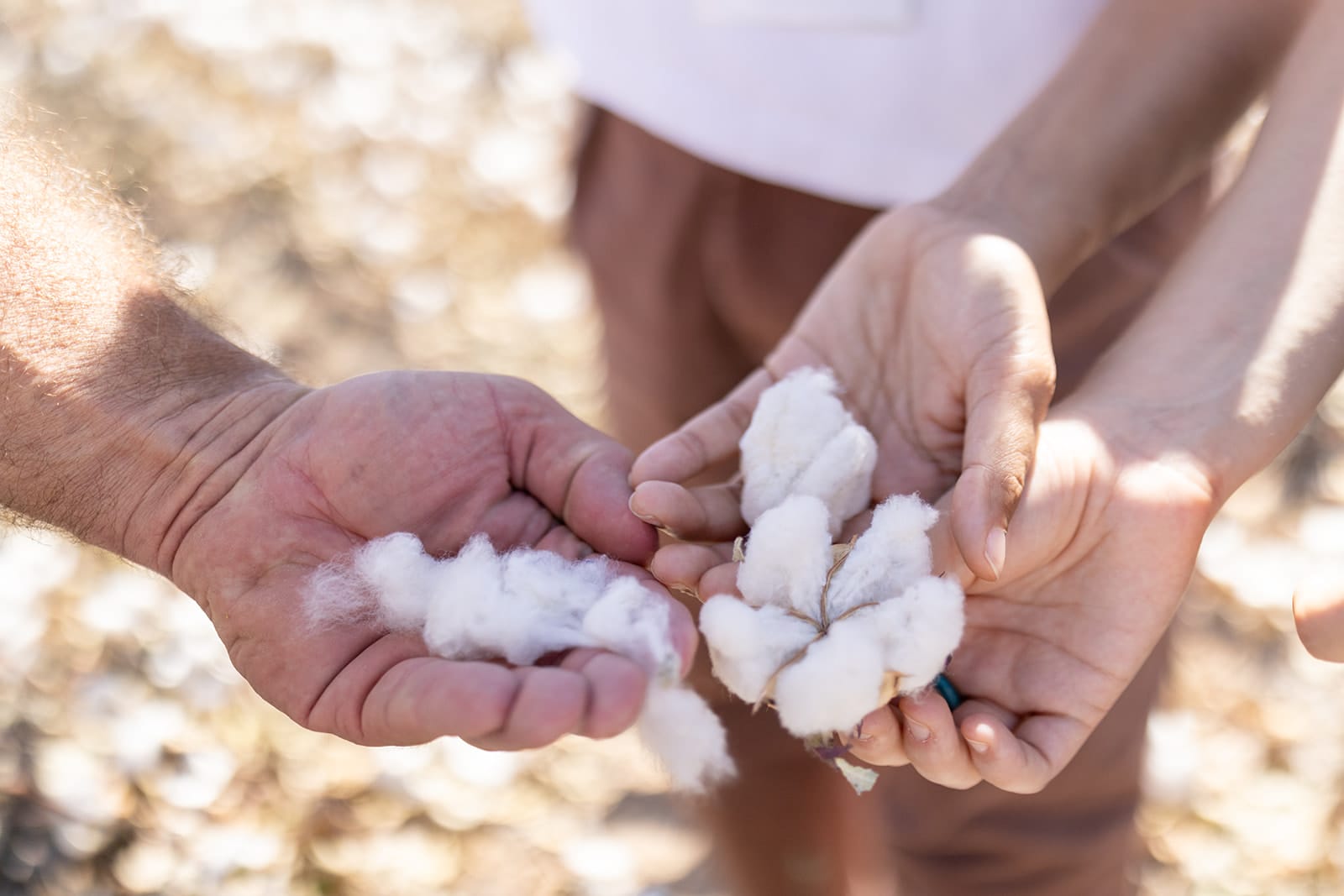
- Physical BCI Cotton is cotton from a certified farm that has been traced from its country of origin using BCI Traceability.
- The BCI Cotton Label can only be used by retailer and brand members who source cotton certified against the BCI field-level standard and traced with BCI Traceability.
- New legislation including the EU Directive on Empowering Consumers for the Green Transition limits the ways in which sustainability information can be marketed to consumers, specifying that only sustainability labels which are based on third-party certification schemes can be used on products going forward.
- To learn more about BCI Certification, visit: https://bettercotton.org/what-we-do/certification/
Contacts
For more information and to request an interview with BCI’s Head of Certification, Tom Owen, please contact Better Cotton Initiative PR & Media Coordinator, Chris Remington ([email protected]).