

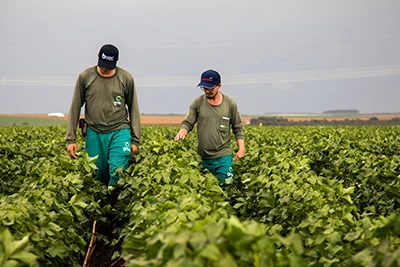

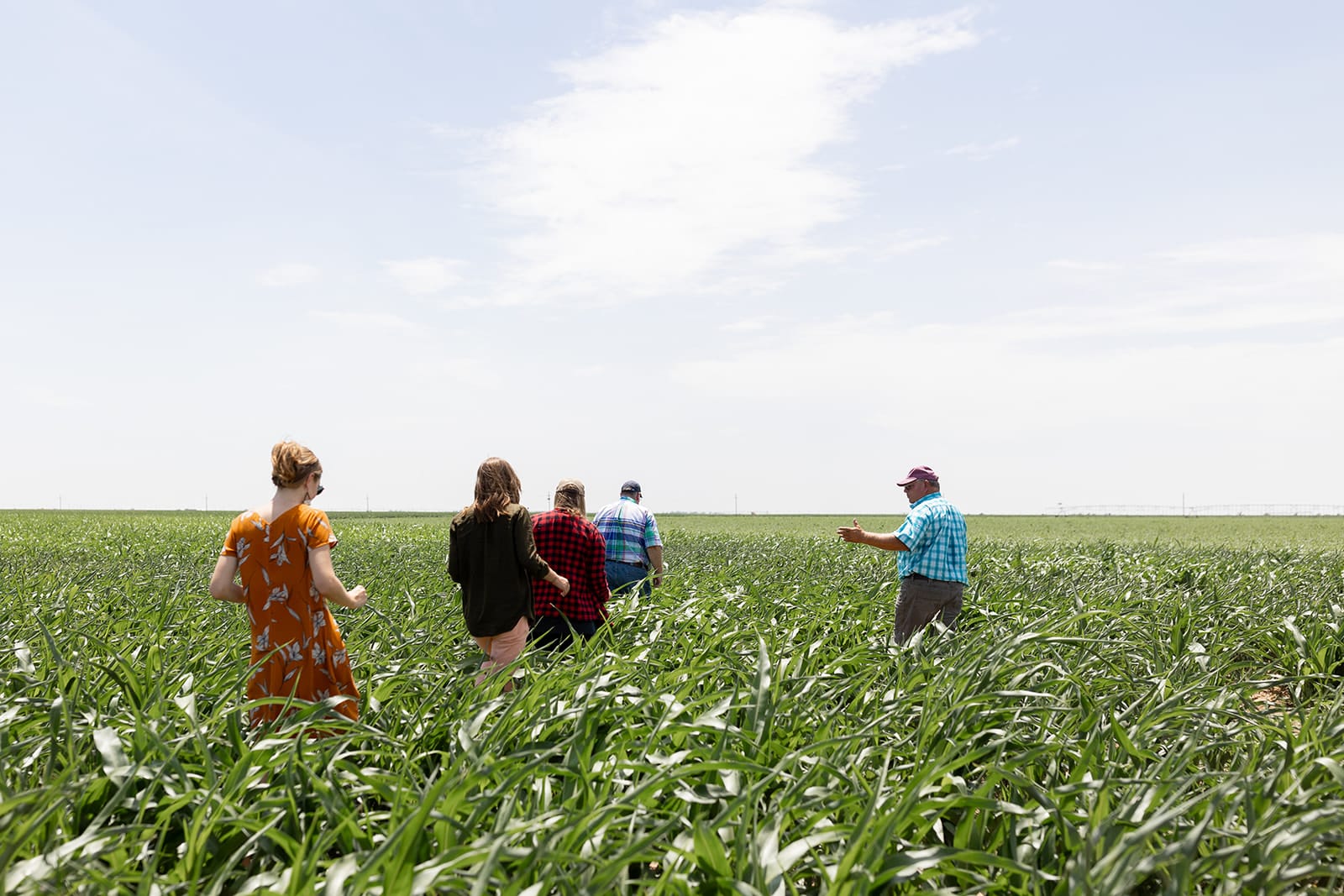
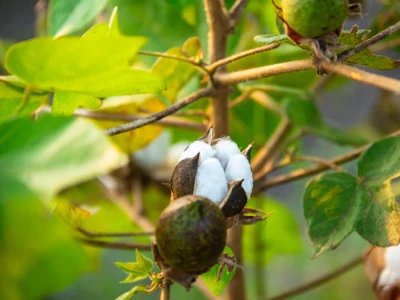

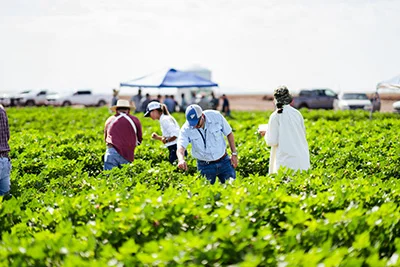




The Better Cotton Initiative (BCI) – in collaboration with global non-profit the Soil Health Institute (SHI) and national ag-tech provider Growers Guide – is supporting cotton producers in the United States to build upon soil conservation work by funding intensive on-farm data collection.
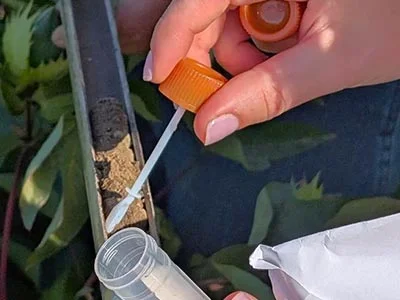
This targeted field-level support will equip producers with data-driven insights to help address key impact areas such as soil health and the minimisation of chemical inputs by analysing samples of soil, plant tissue and plant sap for nutrient uptake in cotton and other crops.
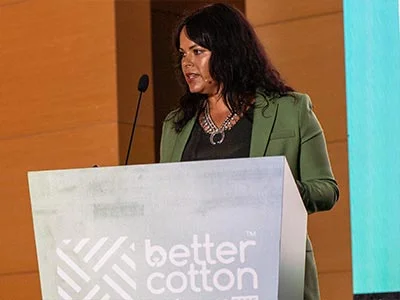
Karen Wynne, US Impact Manager at BCI said: “We want to make sure that growers have the knowledge, capital, and tools to make these practices work successfully. On-farm research allows them to test systems in the same unpredictable and complicated environment that they work in every day.”
BCI continues to identify opportunities to work in tandem with aligned initiatives to more effectively drive change. By funding field-level research into how farm practices impact soil health and nutrient uptake, BCI contributes to SHI’s development of regional soil health benchmarks and their work with cotton producers through the U.S. Regenerative Cotton Fund.
On-farm innovation projects are among the offerings of BCI’s US programme, which provides producers with a range of opportunities promoting regenerative farming practices. These include individualised conservation planning, carbon programme participation, and access to a global network of knowledge-sharing through BCI’s Large Farm Program.
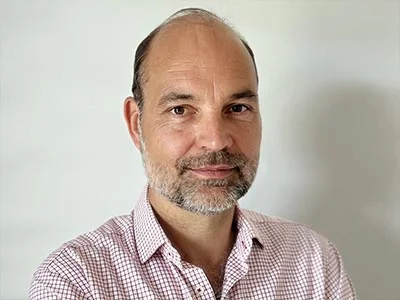
Justin Taylor, Senior Sales Manager of Growers Guide said: “Working with farmers and collaboratorslike BCI and SHI makes the feasibility of the data collection part of research achievable and actionable. Being able to learn what’s going on in the soil and plant in season –and then tying that to trends in harvest data at the end of the season – really helps to focus in on key trends that show up, and then take those same ideas and learnings to other farms and customers that we work with.”
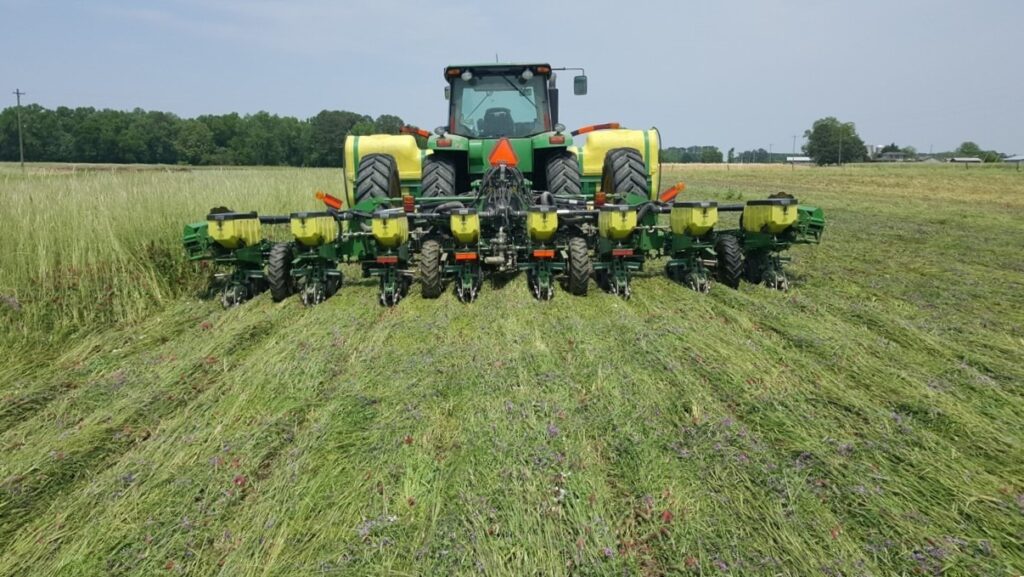
Innovation funding from the US programme has enabled BCI-certified producers like Zeb Winslow to continue his soil conservation journey on the family’s farm in Scotland Neck, North Carolina. BCI has been working closely with Winslow since 2017 when he enrolled in the programme.
Winslow said: “BCI has been extremely good to me over the years, and they helped to fund some of the research we’ve done here on the farm.”
By collaborating with agronomic consultants and cutting-edge labs, while taking advantage of differences in how his fields have been managed, Winslow and the Growers Guide team aim to evaluate the most efficient methods to understand nutrient uptake, enhance soil biology, reduce inputs and potentially provide a roadmap for fellow producers.
BCI will continue to follow Winslow’s dedication to soil health and its impact on his cotton and other crops. For a more in-depth look at the learnings from Winslow’s field testing, read the full story here.
Notes to Editors
- Large Farms, as defined in the BCI Standard System, constitute farms with a size typically above 500 acres (200 hectares) of cotton which either have mechanised production or are structurally dependent on permanent hired labour. Large farms participate with BCI on an individual basis or, in some contexts, through a Large Farm Group Model.
- Zeb Winslow presented at the BCI’s annual Large Farm Symposium in January, during which he provided a case study of his research on the impact of reduced synthetics inputs and increased regenerative practices like cover cropping on nutrient uptake and yields.
- SHI’s U.S. Regenerative Cotton Fund (USRCF) is an initiative aimed at empowering farmers and advisors with tools, information, and networks needed to successfully adopt regenerative soil health management systems. The USRCF credibly measures, models, and assesses the benefits of those systems to help farmers communicate these valuable outcomes to businesses, policymakers, and consumers.
- Other US producers interested in working with BCI can fill a brief interest survey here or reach out to the team at [email protected]. Regarding specific interest in participating in their on-farm innovation projects, they may reach out to [email protected].